Unsafe Facade Repair NYC: Fixing FISP Unsafe Conditions Within 90 Days
An Unsafe rating in your FISP report starts a clock. Public protection has to go up right away, and every Unsafe condition must be repaired within 90 days of the filing. Our unsafe facade repair crews make the wall safe, build the sidewalk shed or netting, repair each listed item at its cause, and hand your inspector the photos for the amended report, so the shed can come down.
Licensed and insured24/7 emergency responseSame-day response
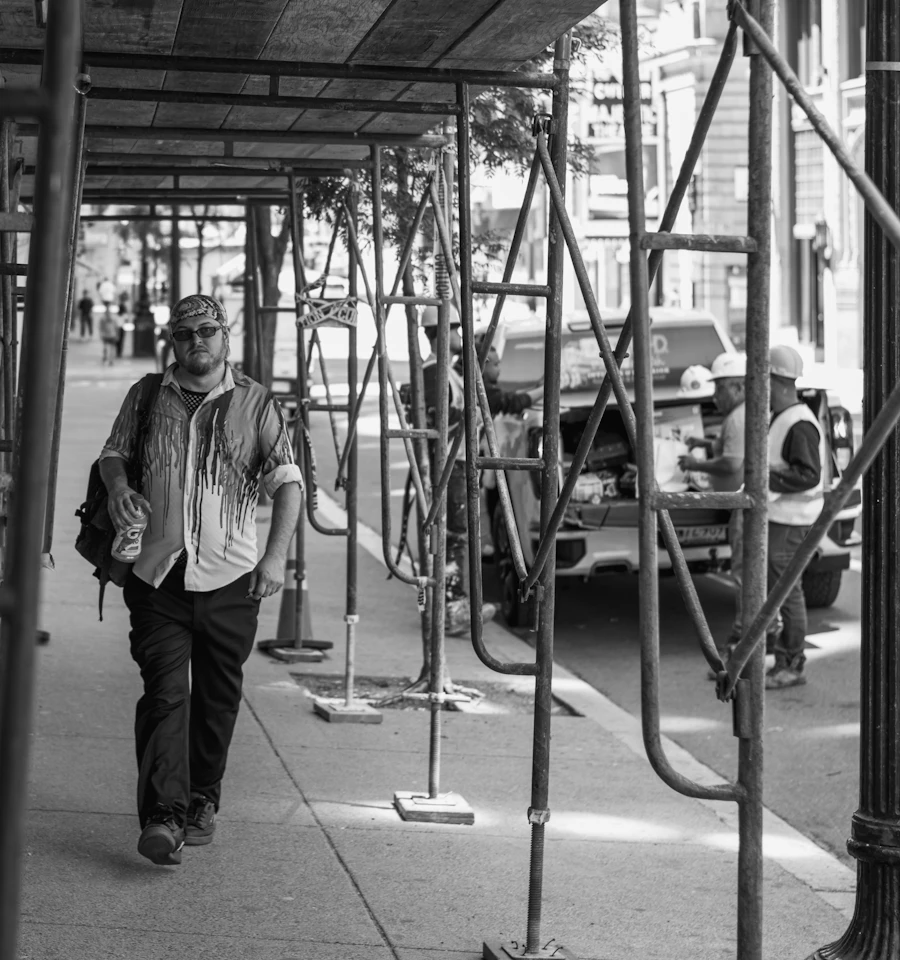
What an Unsafe Facade Rating Means and What It Sets in Motion
An Unsafe rating means your inspector found a facade condition that is a danger to people or property now, not at some later date. The moment it is found, the QEWI must notify the Department of Buildings and the owner, mark where the condition is, and recommend the type and location of public protection. From the filing date, the owner has 90 days to correct every Unsafe condition.
The rating does not go away when the repair is finished. Your QEWI re-inspects, files an amended report within two weeks of the repairs, and the protection stays up until DOB accepts that report. A condition can also turn Unsafe on paper: a SWARMP item left unrepaired by the next cycle, a SWARMP item that needed repair in two cycles in a row, or a repair that has to be redone in the same cycle.
| Who reports it | Your QEWI, to DOB and to you, right away |
|---|---|
| Protection | Sidewalk shed, fence, or netting, installed at once under a DOB permit |
| Repair deadline | 90 days from the report filing |
| More time | Extension of time request, filed before the deadline and renewed every 90 days |
| Closing it out | Amended report within two weeks of repairs, accepted by DOB |
| If it sits | Monthly DOB penalties, plus a shed charge from the second year |
Unsafe Facade Timeline: From Report Filing to Taking the Shed Down
Every Unsafe item runs on the same clock, counted from the day your FISP report is filed.
- Day 0
Report filed
Your QEWI notifies DOB and you, and public protection goes up.
- By Day 90
Repairs done
Every Unsafe item is fixed at its cause, not just patched.
- By Day 104
Amended report filed
Your QEWI re-inspects and files within two weeks of the repairs.
- After DOB accepts
Shed comes down
The status changes to Safe or SWARMP, and protection can be removed.
Not done by Day 104? File an extension of time. DOB can grant up to 90 days at a time, renewed until the work is finished.
The two dates to watch are Day 90 and Day 104. Repairs are due by Day 90, and the amended report is due two weeks later. If the work and the amended report cannot both be done by Day 104, the extension request has to be in before then. When a repair campaign will clearly run longer, your QEWI can enter a recommended completion date in the report itself. That date cannot be more than five years out, and extension requests are still filed every 90 days.
Unsafe Facade Conditions That Show Up Most in FISP Reports
Most Unsafe items fall into five groups. Each card links to the page that explains how that defect is repaired.

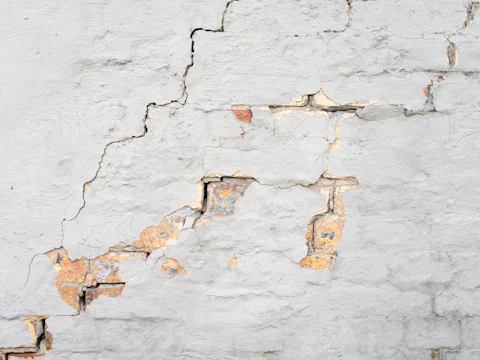
Cracked or bulging masonry walls
Long cracks, or a wall face pushing out from failed ties.
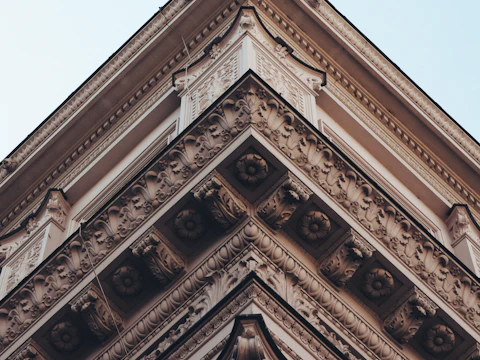
Loose terra cotta and stone ornament
Cornices, sills, and carvings with cracked anchors.
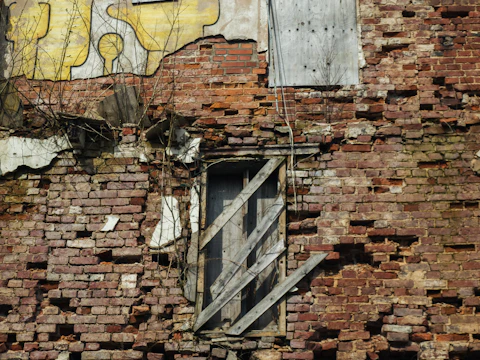
Rusted lintels over windows
Steel over openings that has swelled and split the brick.

Loose parapets, balconies, and fire escapes
Copings, railings, and brackets that shift or rock.
Your report names the exact location of each item by elevation. We price every item on that list separately, and balconies are covered on our balcony repair page.
Make-Safe Work in the First Hours After an Unsafe Finding
Before any repair is priced, the danger to the sidewalk has to stop. This is what our crew does on the first visit, day or night.
Close off the area below
We keep people out of the drop zone and start the permit for a shed or fence.
Take down or tie back loose pieces
Material that comes off by hand is removed. What can’t come off safely is strapped, netted, or braced.
Put up the protection your QEWI recommends
A sidewalk shed, fence, or netting, from our own equipment or rentals.
Log every item with dated photos
Each location is photographed so your inspector can track it to the amended report.
For an emergency at any hour, call (917) 355-8556.
Sidewalk Shed, Fence, or Netting: Choosing Protection for an Unsafe Facade
Your QEWI recommends the type and location of protection, and every option needs a DOB permit. The right one depends on where the hazard is and what is below it.
| Sidewalk shed | Construction fence | Safety netting | |
|---|---|---|---|
| Best when | The hazard is over a public sidewalk or entrance | There is room to keep people back from the wall | Loose pieces need to be held on the facade itself |
| What it does | Covers the walkway so falling pieces land on the deck | Keeps the public out of the area below | Catches or holds small loose material in place |
| Keep in mind | Permits run 90 days, and fines apply from the second renewal when no work is going on | Needs open space between the wall and the walkway | Often used with a shed, not instead of one |
How We Repair Unsafe Facade Conditions in NYC Within the 90-Day Window
Every Unsafe item in your report gets its own line, its own fix, and its own photos. That is how the amended report gets accepted on the first try.
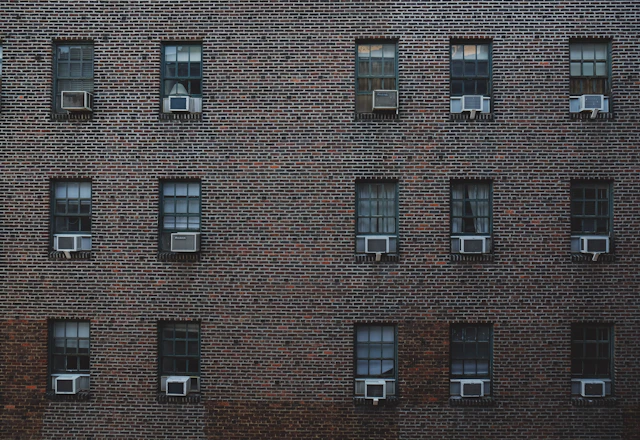
Price every Unsafe item in your report
We walk the report elevation by elevation and price each Unsafe item separately, so you can see what each one costs before work starts.
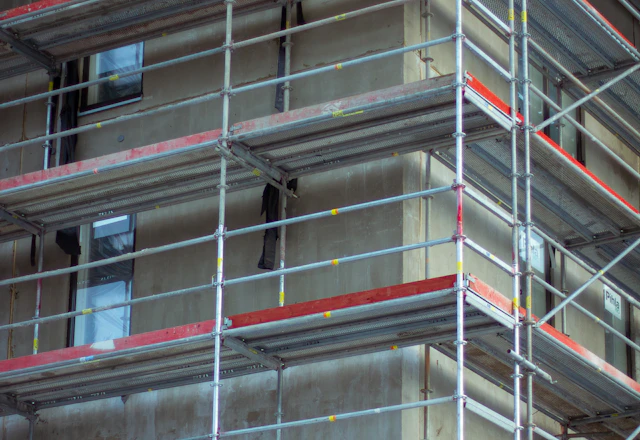
File permits and set up access
Work permits are filed, and scaffold, rigging, or a hanging platform goes up where the items are, using our own equipment or rentals.

Repair the cause, not only the damage
DOB expects a repair to fix what caused the damage, not just patch what shows. A repair that fails again in the same cycle is reported Unsafe again.
Photograph each repair as it happens
Before, during, and after photos are taken at every location and matched to the item numbers in your report.
Hand off to your QEWI for the amended report
Your inspector re-inspects, files the amended report within two weeks, and once DOB accepts it, the shed can come down.
Unsafe Facade Extension of Time: What DOB Needs Before It Grants More Days
If the repairs can’t be finished in 90 days, DOB can grant up to 90 more days at a time. Your QEWI files the request, and it has to include six things:
- Notice that the building is secured by a shed, fence, or other protection
- A copy of the repair contract showing the scope of work
- The QEWI’s estimate of how long the repairs will take
- A statement of every permit the work needs
- A notarized affidavit from the owner that the work will be done within that estimate
- The filing fee
A second or later extension needs more: proof of an unforeseen delay, a hazard that takes longer than 90 days to fix, or photos showing the work is moving. Lack of money is not accepted as a reason.
File Before the Deadline, Not After It
Penalties run for any stretch of time with no extension in place, so the request should be filed before the deadline passes.
- Up to 90 days per request
- Filed by your QEWI
- Renewed every 90 days
- Money problems are not a reason
We supply the signed contract, the schedule, and dated progress photos your QEWI needs for each request.
What an Unsafe Facade Costs While It Waits: DOB Penalties and Shed Fines
An uncorrected Unsafe condition draws $1,000 a month. From the second year, a charge for every linear foot of sidewalk shed is added on top, and it climbs each year.
| Time since the report was filed | Monthly penalty | Added charge per linear foot of shed, per month |
|---|---|---|
| Year 1 | $1,000 | None |
| Year 2 | $1,000 | $10 |
| Year 3 | $1,000 | $20 |
| Year 4 | $1,000 | $30 |
| Year 5 | $1,000 | $40 |
What It Adds Up To on a 100-Foot Shed
For a 100-foot shed in year three, that is $1,000 plus $2,000, or $3,000 every month. These penalties stop once DOB accepts the amended report, the shed is removed, and its permits are signed off, or while an extension is in place.
Sidewalk Shed Permit Fines When Work Stops
Since January 2026, any month with no work going on, counted from the second permit renewal, costs $10 per linear foot while the shed is under three years old, $100 from three years, and $200 from four years, up to $6,000 a month. Keeping work moving is the cheapest way through an Unsafe rating.
Getting the Sidewalk Shed Down After Unsafe Repairs
The shed comes down when the paperwork catches up with the work, not before.
Wait for the accepted amended report
Protection stays up while the building is listed as Unsafe, even after the repair permits are signed off. It can come down once DOB accepts the amended report and the status changes to Safe or SWARMP.
Ask for partial removal on large buildings
When separate sections of a big facade are finished while others are still open, your QEWI can request removal of protection from the finished parts.
Check the conditions certificate
The certificate posted in the building shows the status from the latest accepted report, so it updates once the amended report goes through.
Mistakes That Keep a Building Stuck on Unsafe Status
Most buildings that stay on Unsafe status for months got there through one of these four mistakes.
Patching only what the report shows
A repair that fails within the same cycle is reported Unsafe again, with a new 90-day clock.
Letting Day 90 pass with no extension
Every month without an extension adds to the penalty, and the shed charge starts in year two.
Taking the shed down at permit sign-off
Protection has to stay until DOB accepts the amended report.
Leaving SWARMP items for later
A SWARMP item still open at the next inspection is reported Unsafe. See SWARMP repair.
Unsafe Facade Repair NYC FAQs
Get public protection up right away and have any loose pieces taken down or secured. Then get the Unsafe items priced and the permits filed, so repairs start well before the 90-day deadline.
Yes. DOB can grant an extension of up to 90 days at a time. Your QEWI files it with proof of protection, the repair contract, a time estimate, the permit list, a notarized owner affidavit, and the fee. Lack of money is not accepted as a reason.
If a repair has to be redone within the same filing cycle, DOB treats the first repair as inadequate and the condition is reported Unsafe. A SWARMP item that needed repair in two cycles in a row is also reported Unsafe.
Your QEWI. After the repairs are done, the inspector re-inspects and files the amended report within two weeks. If DOB rejects it, a revised report is due within 45 days.
Sometimes. Netting holds small loose material on the wall, but where pieces could fall onto a sidewalk or entrance, a sidewalk shed is the usual choice. Your QEWI recommends the type and location, and each option needs a DOB permit.
Those buildings are not part of FISP, but every owner must still keep the facade safe and report unsafe conditions to DOB. The only difference is that no five-year report is filed.
Yes. A new owner must pay all civil penalties tied to the property, including those that built up under the prior owner, except where the rule allows a waiver.
Repairs Behind Most Unsafe Facade Ratings
These defects account for most Unsafe items, and each has its own repair page.
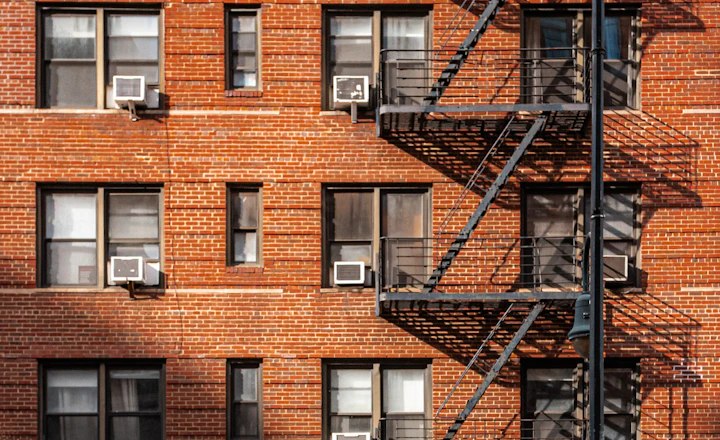
Loose and bulging brick can drop straight to the street, so it is often rated Unsafe.
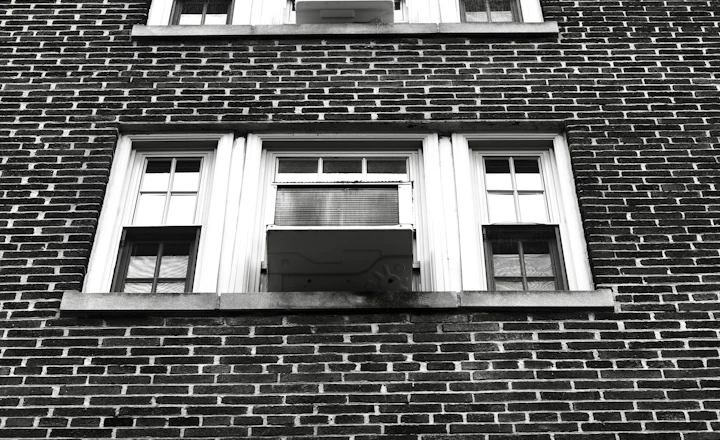
Rusted lintels split the brick over windows and drop pieces to the street.
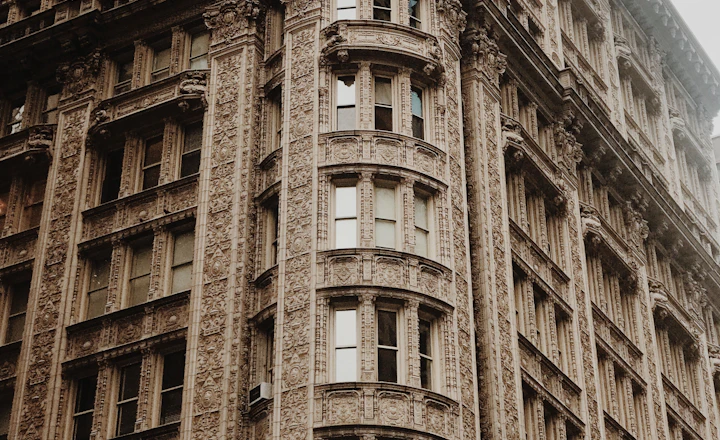
Cracked anchors behind cornices and ornament leave heavy pieces hanging.
Send Your FISP Report for a Same-Day Unsafe Facade Plan
Send the report or photos of the Unsafe locations. We’ll call back the same day with what needs protection now, what each item takes to repair, and whether you need an extension.