Annual Parapet Inspection NYC: Yearly Observation and Report Under Local Law 126
Every NYC building with a parapet facing a public right-of-way needs a close-up parapet observation each year, done and on file by December 31. Our annual parapet inspection covers the parapet and everything fastened to it, the report follows the order DOB’s rule sets, and if anything is unsafe we call it in to DOB and can put up protection the same day.
Licensed and insuredReport ready for DOB on requestSame-day response
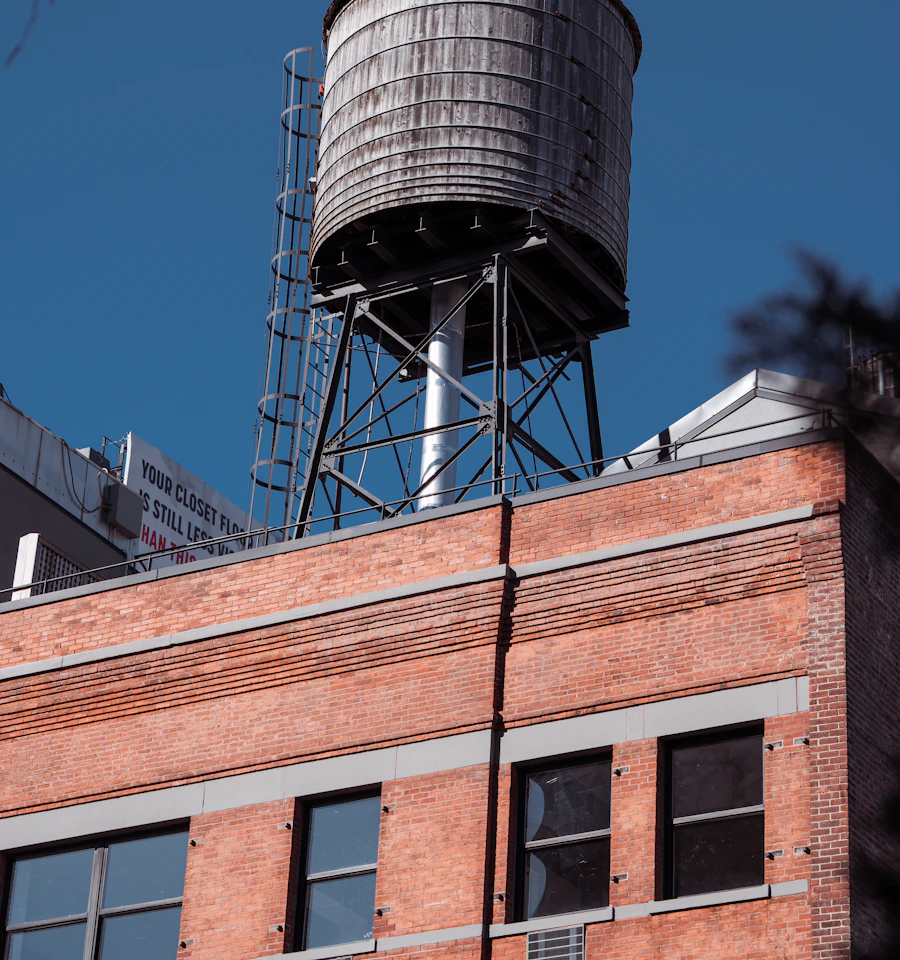
What the NYC Annual Parapet Inspection Requires Each Year
The annual parapet inspection, which DOB calls a parapet observation, comes from Local Law 126 of 2021 and the rule at 1 RCNY §103-15. Since January 1, 2024, owners of buildings with a parapet facing a public right-of-way, at any height, must have a competent person look at the entire parapet up close once every calendar year.
The report stays with the owner. It is not filed with DOB, but it has to be kept for at least six years and shown to DOB on request. If the observation finds an unsafe condition, DOB has to be told right away and the repair is due within 90 days, with no extensions.
| Law | Local Law 126 of 2021 (Admin. Code §28-301.1.1) |
|---|---|
| Rule | 1 RCNY §103-15 |
| Applies to | Parapets facing a public right-of-way, any height |
| Deadline | Done and on file by December 31, every year |
| Who can do it | A competent person, such as a mason, architect, or engineer |
| Filed with DOB? | No. Kept six years, shown on request |
| If unsafe | Call 311, protect the public, fix within 90 days |
Does Your Building Need a Parapet Observation? The Right-of-Way Test
The rule turns on one question: can a member of the public walk up to the wall below the parapet?
Observation Required
- A parapet faces a street or sidewalk, at any height
- The public can walk up to the facade, even on private property
- A fence or barrier sits within half the wall’s height from the wall
- Setback parapets that face the right-of-way
- Cornices attached to a parapet wall, checked as appurtenances
Not Required
- Detached one- and two-family homes
- A continuous barrier farther from the wall than half its height
- Balcony parapet walls, which don’t meet DOB’s definition
- Cornices on the front wall or roof with no parapet behind them
Parapets over a neighbor’s yard that don’t face a public right-of-way are at the inspector’s discretion. We check them if you ask and mark which ones the rule covers.
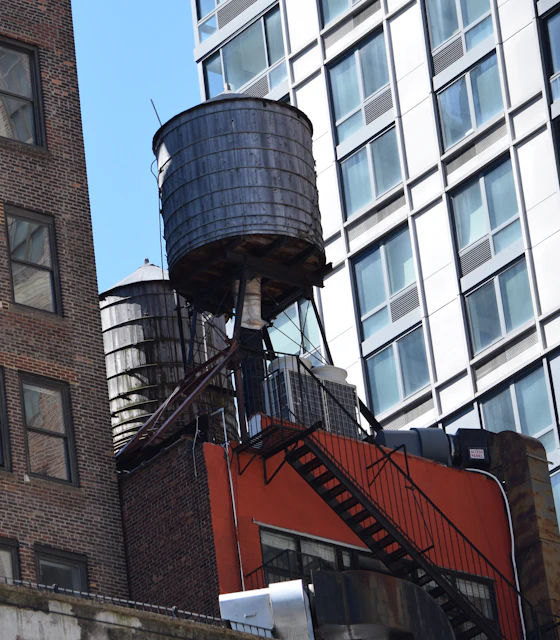
What We Check During an Annual Parapet Observation
The rule lists what the observation has to cover. Each item below becomes a line in your report.
- Plumb. The parapet has to be plumb within one-eighth of its thickness. We measure any lean and record it.
- Cracks and displacement. Horizontal or diagonal cracks, and sections that have shifted.
- Loose brick and coping. Missing or loose bricks and coping stones.
- Mortar and spalling. Worn joints, spalled masonry, and rot.
- Things fastened to it. Railings, roof access rails, gooseneck ladders, fire escape handrail attachments, signs, and telecom equipment must be stable.
- Cornices on the parapet. A cornice attached to the parapet wall is checked with it every year.
How the Parapet Is Observed Up Close: Roof, Fire Escape, or Scaffold
DOB asks for a close-up look at the entire parapet. Where the observer stands depends on the building.
From the roof
The usual route. The observer walks the full length of the parapet and checks the inner face, the coping, and the top.
From a fire escape or balcony
Accepted for the outer face where the parapet can be seen and reached from a fire escape or balcony.
From inside, plus a close visual
When the street face is hard to reach, a physical check from inside plus a detailed visual from a clear spot is accepted. A hands-on check follows if anything looks unsafe.
From a scaffold, rig, or lift
Used when the outer face needs a hands-on look. We own scaffolding, so access doesn’t wait on a rental.
The roof membrane doesn’t have to be removed. The observer picks methods that show the parapet’s real condition.
Our Annual Parapet Inspection Process NYC, Step by Step
One visit, one report, and one clear status for every parapet on the building.
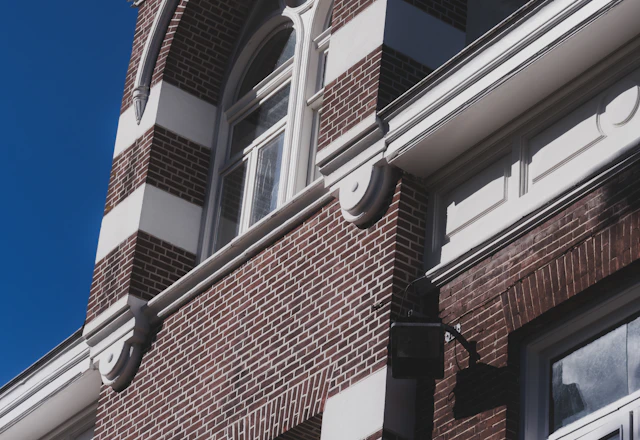
Map every parapet that faces the right-of-way
We mark each parapet on a location plan, including setbacks and parapets with cornices, so nothing the rule covers is missed.

Observe the full length up close
From the roof, a fire escape, or a scaffold, we check the inner face, outer face, and coping, plus everything fastened to the wall.
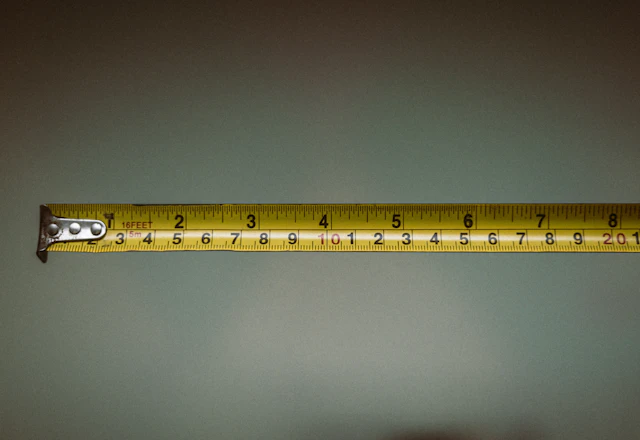
Measure and photograph
We record height, thickness, and material, check for lean, and take dated photos of each condition we find.

Classify each parapet
Each one is reported as safe, requiring maintenance, or unsafe, with the actions needed for anything that is not safe.
Deliver the report for your six-year file
You get the report in the order DOB’s rule sets out, ready to show DOB on request. Unsafe findings are called in the same day.
What Goes in a Parapet Inspection Report Under 1 RCNY §103-15
DOB has no template, but the rule sets the order. Our report follows it item by item.
- Building address and any associated addresses
- Owner’s name, mailing address, and phone number
- Observer’s name and contact details, if not the owner
- Date or dates of the observation
- A location plan of the parapets
- Construction details: material, height, and thickness
- General condition of each parapet
- Any unsafe conditions found and the actions taken
- Repairs made since the last report
- Dated photos of conditions at the time of observation
Kept by You, Not Filed With DOB
Keep each report for at least six years. DOB can ask to see it at any time.
Can Your FISP Report Count?
In a FISP year, yes, if it includes everything the parapet rule requires. Keep a copy ready for DOB.
Safe, Requires Maintenance, or Unsafe: What Each Parapet Finding Means
Every parapet in the report gets one of three statuses, and each one leads somewhere different.
Safe
The parapet is stable and needs no work. The report goes in your file, and the next observation is due by December 31 next year.
Requires maintenance
The report lists the work needed, such as repointing or resetting coping. Doing it now keeps it from turning unsafe before the next observation.
Unsafe
The observer calls 311 right away, and FISP buildings also file an Unsafe Notification (FISP3) in DOB NOW Safety. Protection goes up at once and the repair is due within 90 days, with no extensions.
Planning the Yearly Parapet Observation Around December 31
A little planning keeps the observation clear of winter weather, repair work, and your FISP cycle.
Book it before the cold months
The deadline is December 31. An observation in spring or summer leaves time to fix anything it finds in good weather.
Line it up with your FISP year
When a FISP report is due, it can stand in for the parapet report if it covers everything the parapet rule requires.
Keep six years together
One folder with every report shows DOB, boards, and buyers how the parapet has held up over time.
NYC Annual Parapet Inspection FAQs
By December 31 of every year. The observation has to be done, and the report on file, by that date. The requirement started January 1, 2024.
No. The owner keeps it for at least six years and shows it to DOB on request. Only unsafe conditions are reported to DOB, by calling 311 right away.
Balcony parapet walls do not, because they don't meet DOB's definition of a parapet. A cornice attached to a parapet wall does, as an appurtenance. A cornice on the front wall or roof with no parapet behind it does not.
Yes, when the outer face is hard to reach. DOB accepts a physical check from inside plus a detailed visual from a fire escape, balcony, or other clear spot. A hands-on check is needed if the visual shows a possible unsafe condition.
No. An unsafe parapet must be corrected within 90 days of notifying DOB, and DOB does not grant extensions for it. Public protection stays up until the repair is done.
No. The observer chooses methods that show the parapet's condition without stripping the waterproofing.
No. The observation is about structural stability. The report must state whether each parapet is safe, unsafe, or requires maintenance, and list the actions needed.
Yes, in the year it is filed, if it includes all the information the parapet rule requires. Keep a copy on hand for DOB.
Repairs That Often Follow a Parapet Observation
When the observation finds work to do, these are the pages that cover it.
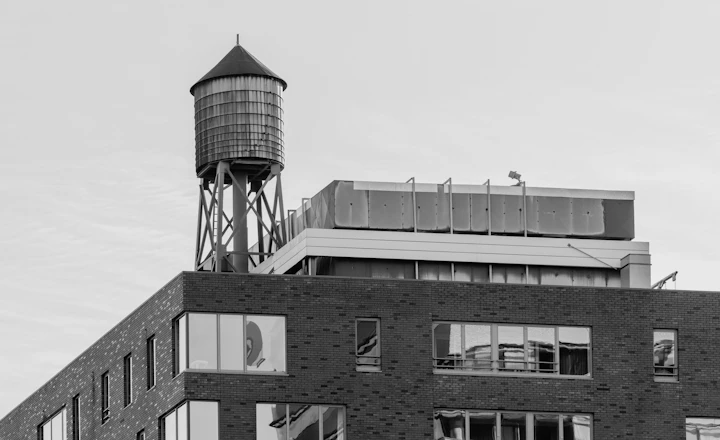
Coping resets, flashing, and rebuilds for parapets the observation flags.
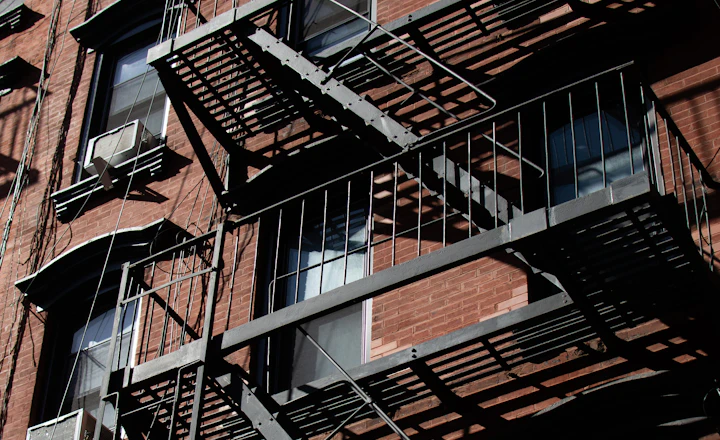
Protection and repairs when a parapet or facade is found unsafe.
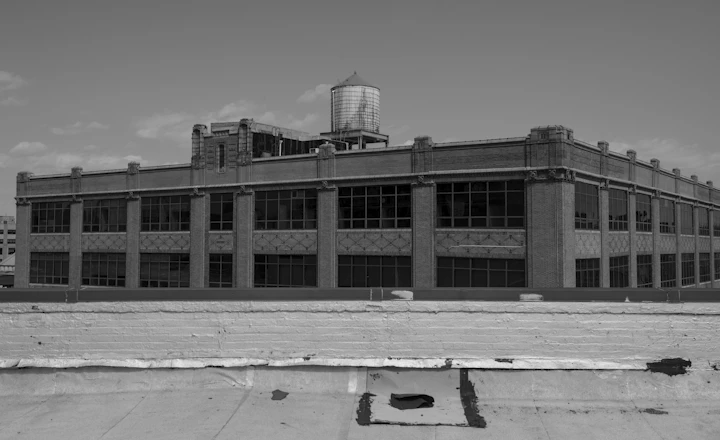
Facade items from your FISP report fixed before they turn unsafe.
Book Your Annual Parapet Inspection Before December 31
Tell us the address and how to reach the roof. We’ll confirm which parapets the rule covers, schedule the observation, and deliver the report for your file.