Steel Lintel Replacement for Rusted Window Lintels in NYC
The steel angle over each window carries the brick above it. In older buildings that steel was rarely galvanized or flashed, so water rusts it, the rust swells, and the brick cracks and lifts. We open the wall, check how much steel is left, and either restore the lintel or replace it with galvanized steel and new flashing, so your inspector can close out the condition in your Local Law 11 report.
Licensed and insured24/7 emergency responseFree report review
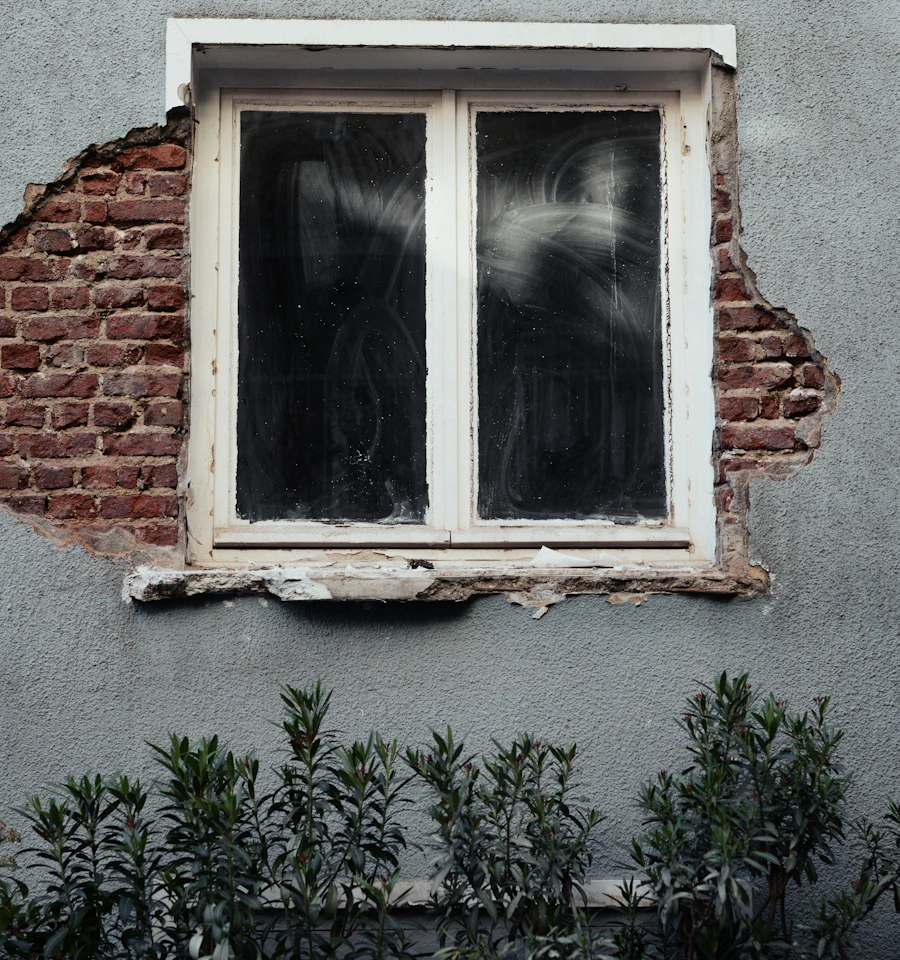
Is Your Window Lintel Failing? Five Signs Above the Glass
A corroding lintel shows itself in the brickwork right above and beside the window long before anything falls.
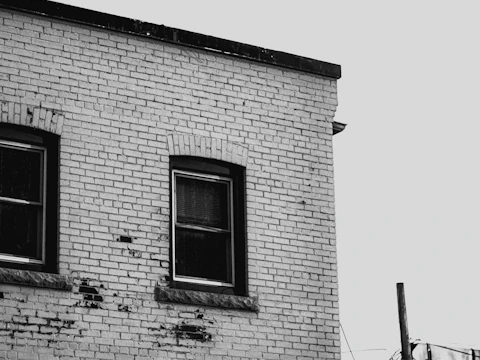
Cracks rising from window corners
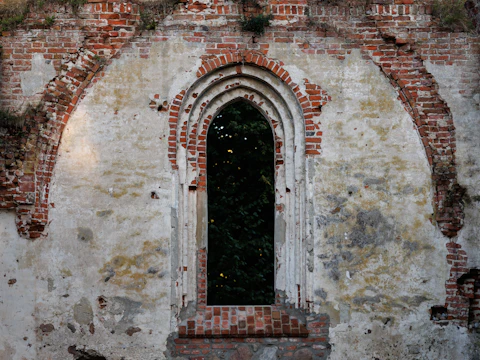
Horizontal crack at the head
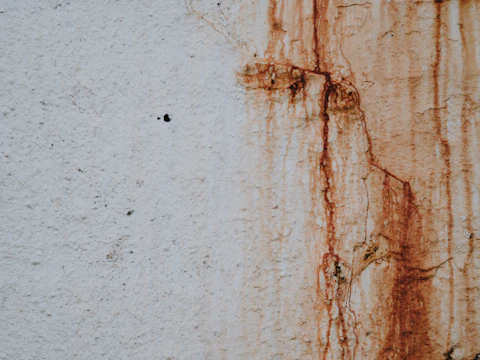
Rust bleeding onto brick
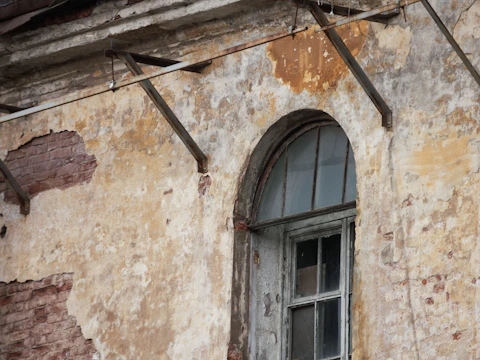
Lifted or tilted brick courses
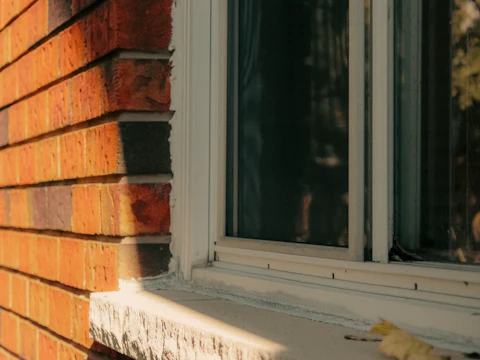
Sagging head or sticking window
Tip: Stand across the street and compare the brick line over several windows on the same floor. A head that sits higher, lower, or cracked compared with its neighbors is the one to have checked.
What Is a Steel Lintel, and Why Does It Rust Out?
A steel lintel is the angle or beam that spans the top of a window or door opening and holds up the brick above it. In pre-war and mid-century NYC buildings, most lintels are plain steel angles built into the wall, often with no galvanizing and little or no flashing to shed water. Rain that gets past worn mortar joints, failed window caulk, or a cracked sill above sits on the steel and starts it rusting from the inside of the wall.
Rust takes up far more space than the steel it comes from, up to ten times the volume by one industry estimate. As it builds in layers, it pushes the brick up and out, which is called rust jacking. That pressure cracks the corners of the opening, opens the bed joint along the head, and over time loosens the brick enough to fall. Light surface rust can be cleaned, coated, and flashed in place. Steel that has thinned, flaked away, or bent has to come out and be replaced.
| What it does | Carries the brick over a window or door opening |
|---|---|
| Why it fails | Water reaches unprotected steel, which rusts and expands |
| First signs | Cracks at window corners, rust stains, lifted brick at the head |
| Repair options | Clean, coat, and flash in place, or replace with galvanized steel |
| Typical rating | Unsafe when brick is loose or displaced; SWARMP when corrosion is early |
| Permits | DOB work permit; Landmarks approval for landmarked buildings |
How Rust Jacking Cracks the Brick Above Your Windows
Lintel damage follows a predictable chain, and the brick shows it only near the end.
Water reaches the steel
Open head joints, dried-out window caulk, and missing flashing let rain run onto the top of the lintel.
The steel rusts in layers
Unprotected steel corrodes quickly when it stays wet, and the rust flakes off in thick sheets.
Rust lifts the brick
Each layer of rust takes up more room than the steel it replaced, so the lintel pushes the courses above it upward.
The head cracks and drops
The opening’s corners crack, the head joint opens, and the lintel loses strength until it sags.
Caulking or patching those cracks hides them for a season but traps more water against the steel. The fix has to reach the lintel itself.
When Does a Rusted Lintel Become an Unsafe Condition?
It depends on whether the brick above has started to move. Use these three levels to decide how fast to act.
Watch it
What you see
Light rust at the lintel’s exposed edge and hairline cracks at one or two corners, with the brick still flat and tight
What to do
Keep the window caulk and head joints sealed, and have your inspector note it
Repair soon
What you see
Rust stains running down the brick, an open crack along the head, or step cracks climbing from the corners
What to do
Schedule treatment or replacement before your SWARMP completion date
Act now
What you see
Brick lifted, tilted, or loose over the opening, a visibly sagging head, or pieces on the sill or sidewalk
What to do
Keep people clear below, install protection, and call us the same day
Note: Your QEWI makes the official Safe, SWARMP, or Unsafe call in the facade report. This guide is for deciding when to pick up the phone.
How a Steel Lintel Is Replaced, From Shoring to Flashing
Each opening goes through the same five steps, and nothing is cut out until the brick above is supported.

Map every opening in the report
We match each lintel your QEWI listed to its elevation, floor, and window, and note which ones look like treatment and which look like replacement.
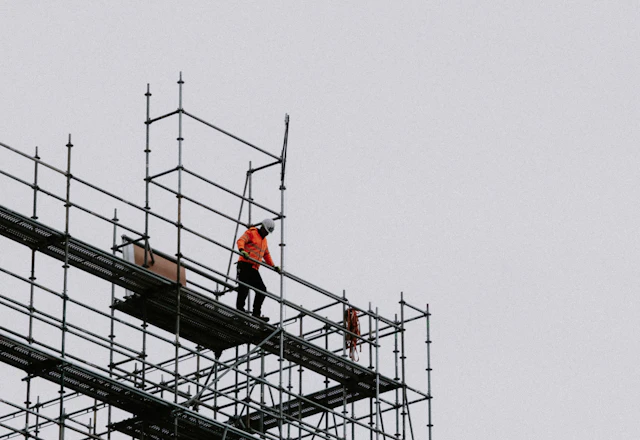
Pull the permit and support the wall
We file the DOB work permit, set up the scaffold, rig, or sidewalk shed, and install temporary shoring so the brick above stays put when the lintel comes out.
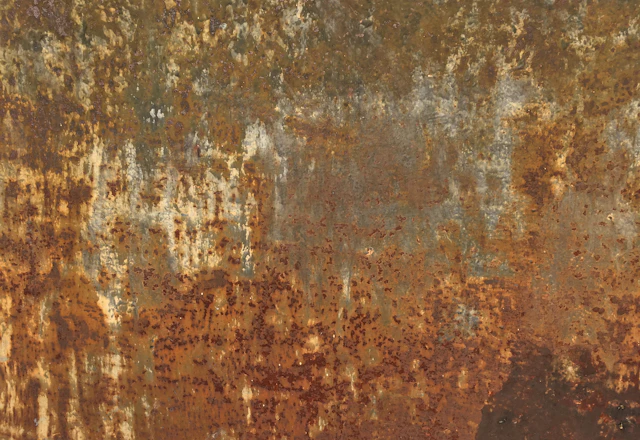
Open the head and judge the steel
We remove the courses over the opening, clean off the rust, and check the steel’s remaining thickness, straightness, and both bearing ends with the engineer.
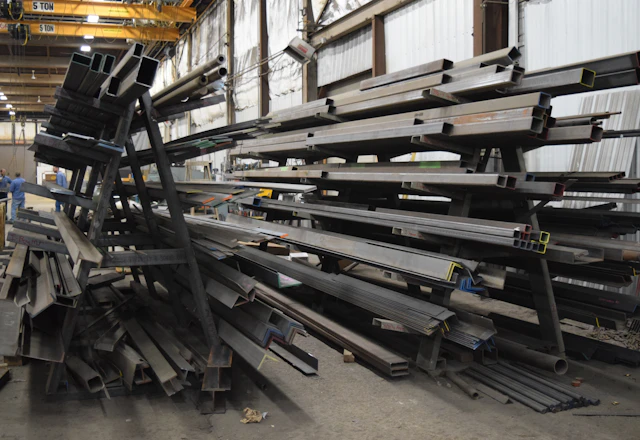
Restore or replace the lintel
Sound steel is cleaned to bare metal and coated. Thinned or bent steel is cut out and replaced with a hot-dip galvanized lintel sized by the engineer, with new flashing, end dams, and weeps over it.

Rebuild, seal, and document
We relay matched brick, repoint, reseal the window perimeter, and send dated photos of every opening to your QEWI for the amended report.
Lintel Repair or Replacement NYC: Can Your Lintel Be Saved?
The answer comes from the steel itself, once the brick is off and the rust is cleaned away. Technical guidance often cites 10 to 20 percent section loss as the point where a corroded member needs closer engineering review.
Treat and protect in place
- When it fits
- The rust is on the surface, the steel keeps close to its full thickness, and the brick above is still flat and tight.
- What we do
- Remove the courses over the head, clean the steel to bare metal, apply a rust-inhibiting coating, add flashing, and rebuild.
- The trade-off
- Less masonry removal and a shorter job, but the original steel stays in the wall and should be rechecked at each inspection.
Replace with a galvanized lintel
- When it fits
- The steel has thinned, flaked through, or bent, or the brick above has already been pushed up or loosened.
- What we do
- Shore the wall, cut out the old steel, set a hot-dip galvanized lintel with proper end bearing, flash it with end dams and weeps, and rebuild.
- The trade-off
- More work at each opening, but it removes the cause, and galvanized steel holds up far better against moisture.
One building often needs both. It’s common to restore most lintels on a wall and replace the few at the worst-exposed openings.
Inside a Rebuilt Window Head
What sits over the window once a lintel is replaced and flashed.
- 1Galvanized lintelHot-dip galvanized steel angle
- 2End bearingSeated in the brick at each side
- 3FlashingTurns water out over the lintel
- 4End damStops water running off the ends
- 5Weep ventsLet trapped water drain out
- 6Rebuilt brickMatched brick, relaid and repointed
Reading the Lintel Findings in Your Facade Inspection Report NYC
Terms to look for:
Corroded steel lintelRust jackingDisplaced masonry at headSection loss
Lintel problems usually appear in a FISP report as “corroded steel lintel,” “rust jacking at window head,” “cracked or displaced masonry above openings,” or “lintel section loss.” Each one is tied to a location, such as the north elevation, eighth floor, third window from the left, and backed by labeled close-up photos. When the brick over an opening is loose or displaced, expect an Unsafe rating, with public protection right away and repairs within 90 days of filing. Early corrosion with tight brick is often rated SWARMP with a completion date. Bring us the report and we’ll match every listed opening to a line in our proposal, then get the work permit signed off before your inspector files the amended report.
Where to go from here: Unsafe facade repair · SWARMP repair · check your filing window
Questions to Ask Before You Hire a Lintel Contractor NYC
- Will you open the head and look at the full length of the lintel and both bearing ends before you price treatment versus replacement?
- Will new lintels be hot-dip galvanized, and who sizes them, an engineer or the crew?
- How will you support the brick above the opening while the old steel is out?
- Will every new or restored lintel get flashing with end dams and weep vents?
- If the window frame is damaged or attached to the lintel, who removes, protects, and resets it?
What Drives the Cost of Steel Lintel Replacement in NYC?
Lintel work is priced per opening against your report, so the total depends on how many openings need what. These five things move it most:
- Number of openings. Ten windows on one elevation cost far less per opening than ten spread across four walls.
- Treat or replace. Replacement means shoring, more brick removal, and new steel, so it costs more per opening than treatment.
- Lintel size and type. A short angle over a single window is simpler than a long or doubled lintel over a storefront or bay.
- Height and access. Scaffold, rigging, or a sidewalk shed, and how many weeks it has to stay up.
- Window and brick matching. Resetting a frame, or sourcing matched brick for a landmarked facade, adds time and material.
Steel Lintel Replacement NYC: Questions Owners Ask
It carries the weight of the brick over a window or door opening and passes that load to the masonry on each side. When it rusts or bends, the brick above loses its support and starts to crack and drop.
Most were installed as plain, ungalvanized steel with little or no flashing. Water that gets through worn joints or window caulk sits on the steel for years, and unprotected steel corrodes quickly when it stays wet.
It's the force rust puts on the masonry around corroding steel. Rust takes up several times the space of the original metal, so it pushes the brick above the lintel up and out, cracking the corners of the opening.
Yes, if the steel is still close to full thickness and hasn't bent. We clean it to bare metal, coat it, add flashing, and rebuild the brick. Thinned, flaking, or sagging steel needs replacing.
Usually not. The lintel sits above the frame, so most windows stay in and are protected during the work. A frame that's fastened to the lintel or already damaged may need to come out and be reset.
Caulk hides the crack but doesn't stop the rust behind it, and it can trap more water against the steel. Your inspector will still see the condition, and it will keep getting worse.
Once access is up, a single opening can often be finished in a few days. A full elevation of openings takes longer, depending on how many need replacing versus treating. We schedule the work against your report deadline.
Facade Problems That Often Show Up With Rusted Lintels
Water that rusts a lintel rarely stops there. These conditions often turn up on the same wall.

The same wet wall that rusts lintels also corrodes the ties holding the face brick in place.

Open head joints over the window are the main way water reaches the lintel.
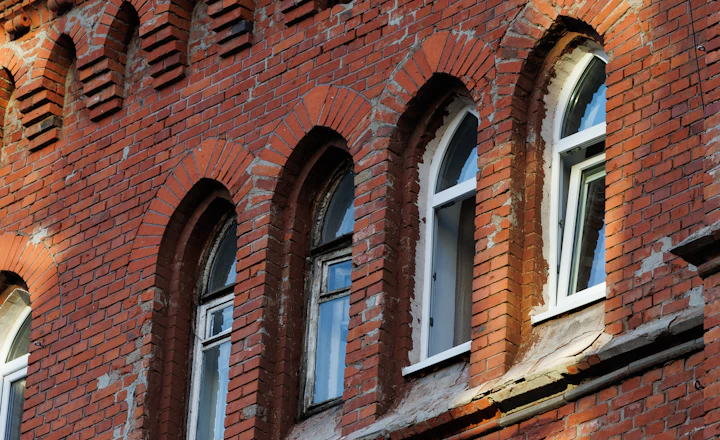
Terra cotta window surrounds and sills hide steel anchors that rust the same way.
Get a Free Steel Lintel Replacement Estimate
Send us your FISP report or photos of the cracked window heads. We’ll review them free and tell you the same day which lintels can be restored and which need replacing.