Parapet Wall Repair in NYC: Coping Replacement, and Rebuilds
The parapet is the short wall above your roof line, and it takes rain, wind, and frost on both faces and the top. That’s why it is usually the first masonry on a building to crack, lean, or shed its coping. Our parapet wall repair crews reset copings, add the through-wall flashing older parapets never had, and brace or rebuild walls that have moved, so your annual parapet inspection and Local Law 11 report can be cleared.
Licensed and insured24/7 emergency responseFree report review
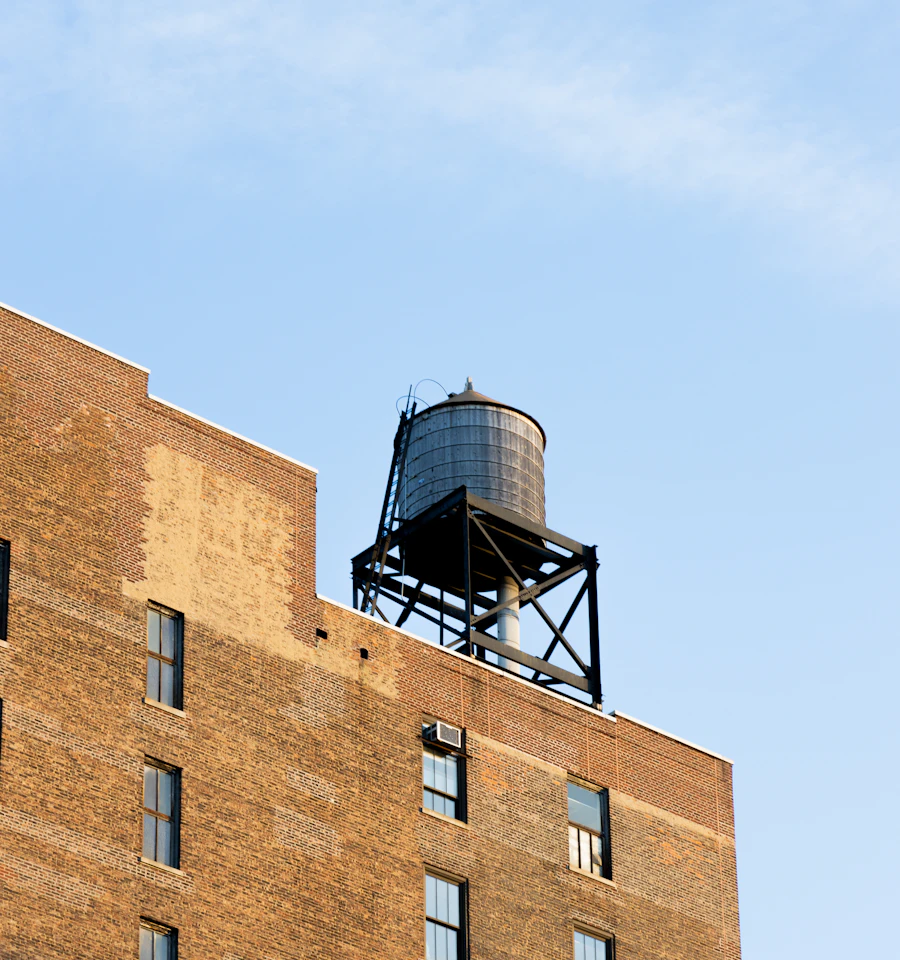
Parapet Wall Damage You Can Spot From the Street and the Roof
Parapets show trouble at the top first. These five signs mean water is getting into the wall or the wall is moving.
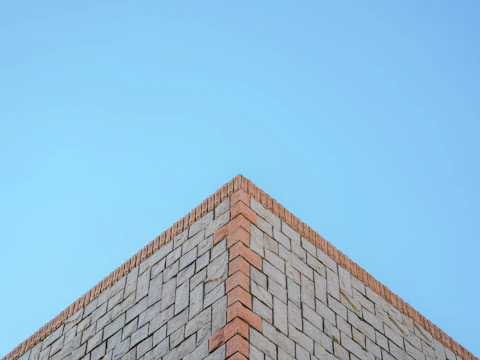
Leaning or bowed parapet wall
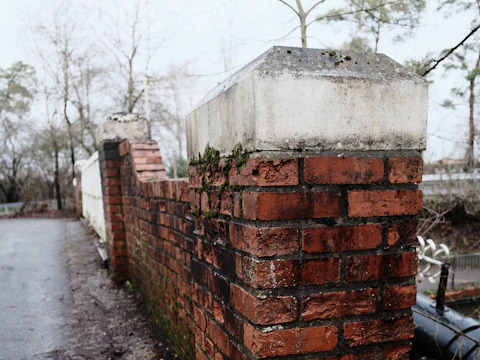
Loose or shifted coping stones
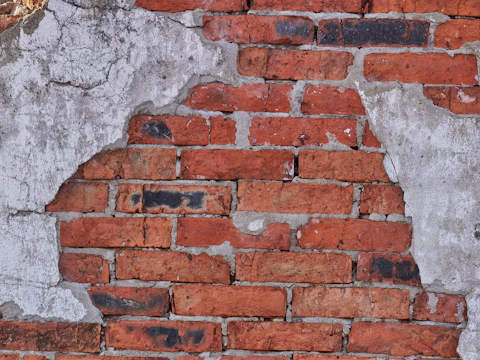
Cracks along the parapet roof line
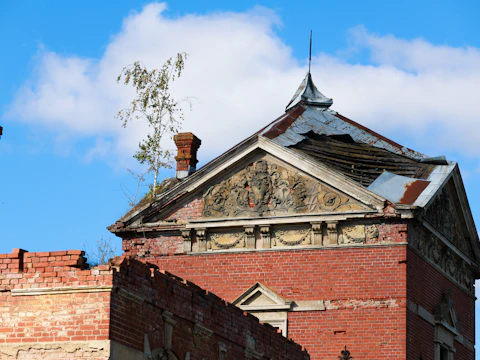
Missing or loose parapet bricks
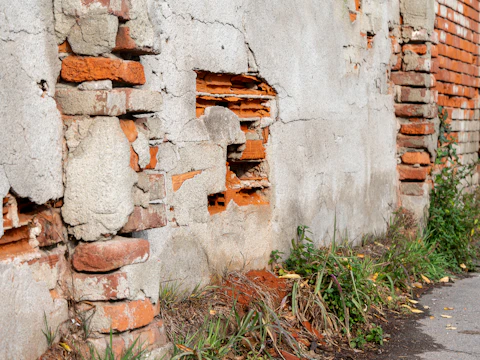
Damp, stained brick under the coping
Roof check: Stand at one end of the roof and sight along the top of the parapet. A wall that dips, bows, or tips toward the street, or coping joints you can see light through, should be looked at before the next storm.
What Is a Parapet Wall? Why the Wall Above Your Roof Fails First
A parapet is the part of an exterior wall that rises above the roof. The NYC Department of Buildings defines it as “the part of any wall entirely above the roof line,” with no minimum height. On most older buildings it is solid brick capped with stone, terra cotta, or concrete coping, and it often carries railings, ladders, signs, or antennas.
The wall below the roof has a heated building behind it, but a parapet is open to the weather on both faces and the top. It gets wetter, freezes more often, and moves more with heat and cold. Water gets in through open coping joints, missing flashing, and the roof edge. Freeze-thaw then breaks up the brick and mortar, and rusting steel or a roof that expands in summer pushes the wall out of line. Light damage is fixed by resetting the coping and repairing the masonry. A parapet that leans, is cracked through, or stays saturated is braced or rebuilt with new flashing.
| What it is | The part of an exterior wall above the roof line |
|---|---|
| Common build | Brick wall with stone, terra cotta, or concrete coping |
| Why it fails | Weather on both faces, open coping joints, missing flashing, rusting steel |
| Repair options | Reset or replace coping, add flashing, repair, brace, or rebuild |
| Inspections | Annual parapet observation, plus your FISP report |
| If unsafe | Public protection right away, corrected within 90 days |
What Makes a Parapet Wall Lean, Crack, or Lose Its Coping
Parapet damage starts at the top and works down, and each stage makes the next one faster.
Water enters through the coping
Open coping joints, failed sealant, and no flashing under the coping let rain run straight into the wall.
The parapet freezes on both faces
With no warm building behind it, the soaked wall freezes and thaws all winter, breaking brick faces and mortar.
Rusting steel and roof movement push
Rusting anchors and railing posts swell inside the brick, and a roof slab that expands in summer shoves the base of the wall.
The parapet wall leans and loosens
Cracks open at the roof line and corners, the parapet leans or bows, and coping stones work loose.
Roofing membrane run up the back of a parapet with no counterflashing over it lets water slip behind the brick. That is why every parapet job here includes a look at the roof edge.
Leaning or Cracked Parapet Wall NYC: When Does It Become Unsafe?
A parapet becomes unsafe once it leans past the city’s limit, cracks through, or has loose pieces. It sits at the edge of the roof directly over the sidewalk, so anything that falls lands where people walk.
Watch it
What you see
Hairline mortar cracks, coping tight and in line, light staining
What to do
Note it in your annual parapet observation and keep coping joints and roof flashing maintained
Repair soon
What you see
Open coping joints, damp or stained brick under the coping, spalled brick, eroded mortar, rusting railing bases
What to do
Plan a coping reset, new flashing, and masonry repair before your SWARMP date or the next winter
Act now
What you see
A visible lean or bow, cracks through the wall, loose coping or bricks, pieces on the sidewalk or roof
What to do
Keep the area below clear, put up a shed or netting, report it to DOB through 311, and call us the same day
Note: Under the DOB parapet rule, a parapet must be plumb within one-eighth of its thickness. For a 12-inch-thick wall, that is a lean of 1½ inches. Your inspector or the person doing your annual observation decides whether a condition is unsafe.
Parapet Wall Repair and Rebuilding NYC: How We Do It in Five Stages
The whole length of the parapet is checked before any work is priced. A crack at one corner often turns out to be a lean along the whole run.
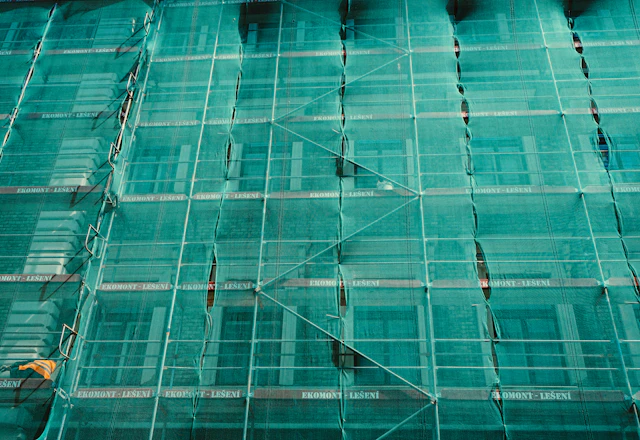
Secure the sidewalk and roof
Loose coping and brick are taken down or strapped and netted right away, and a sidewalk shed goes up under DOB permit, from our own equipment or rentals.
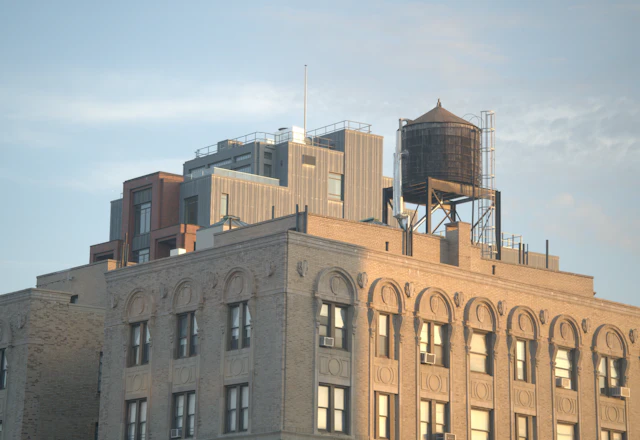
Survey the full parapet wall
We check the wall for plumb, open test areas at cracks, and inspect the coping anchors, flashing, roof edge, and everything bolted to the wall, then mark it all on a plan.
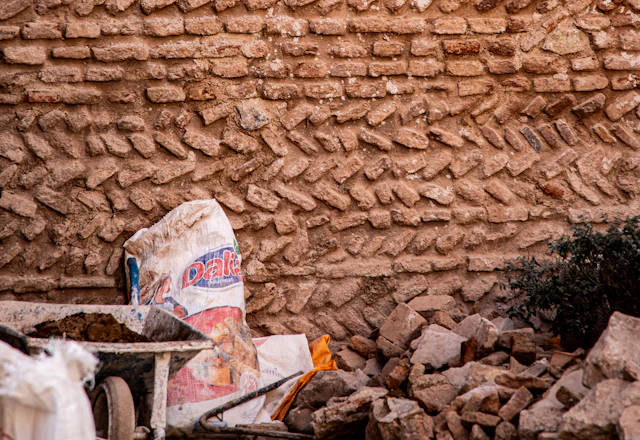
Remove loose or failed masonry
Loose courses come off down to sound masonry. For a rebuild, the wall comes down to the roof line, and good bricks and copings are cleaned and stacked for reuse.
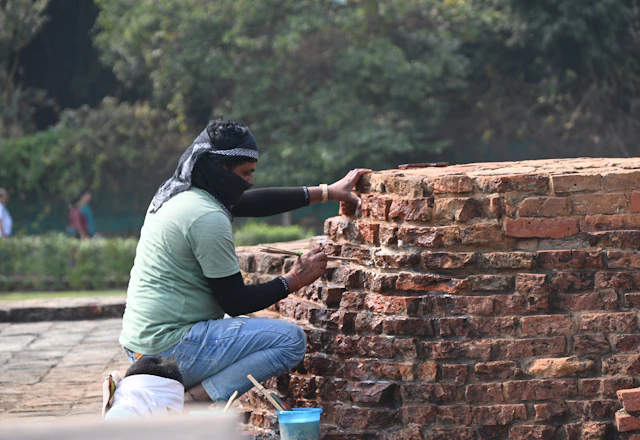
Rebuild with through-wall flashing and anchors
New masonry goes up with through-wall flashing under the coping and stainless anchors or bracing to the roof structure where the engineer calls for it. Copings are then set sloped toward the roof, with drips on both faces.
Reflash the roof edge and document
Base flashing and counterflashing are renewed where the roof meets the wall, and railings and ladders are reattached. Dated photos then go to your inspector and into your annual parapet file.
Parts of a Parapet Wall: Coping, Flashing, Masonry, and Roof Tie-In
Every parapet has four working parts. Most repairs fix one or two of them, and a rebuild replaces all four.
Cross-Section of a Parapet Wall at the Roof Edge
A cut through the top of the wall. The numbers match the parts listed beside it.
Coping
The cap on top of the wall. It should slope toward the roof, overhang both faces with a drip edge, and be held with corrosion-resistant anchors.
What fails: open joints, cracked or shifted stones, rusted anchors.
Through-wall flashing
A metal or membrane sheet under the coping that catches water getting past the joints and sends it out of the wall. Many older parapets were built without one.
What fails: missing, torn, or rusted through.
Parapet masonry
The brick between the coping and the roof, usually two or more layers thick and weathered on both faces.
What fails: spalled brick, eroded mortar, cracks, leaning or bowing.
Roof tie-in
Base flashing turned up from the roof, covered by counterflashing set into the wall above it.
What fails: membrane pulled loose, missing counterflashing, water running behind the brick.
Railings, Ladders, and Signs Count Too
Railings, gooseneck ladders, fire escape handrail attachments, signs, and antennas fastened to a parapet are part of the annual observation and must be kept stable. We remove and reset them as part of the repair.
Coping Materials and Landmarks Rules
Stone, cast stone, terra cotta, and sheet metal copings all work when they slope, drip, and sit on flashing. On landmarked buildings, the LPC allows substitute materials at copings, which it treats differently from the rest of the facade. We confirm what your building allows before ordering.
Annual Parapet Inspection in NYC vs Your FISP Report
Terms to look for:
Leaning parapetDisplaced copingCracked parapet masonryLoose appurtenance
Parapets show up in two separate reports. Your FISP report lists them with the rest of the facade, by elevation and location, with photos and a Safe, SWARMP, or Unsafe rating. Since January 1, 2024, owners of buildings with a parapet facing a street or sidewalk also need a close-up parapet observation every year, kept on file for six years. If either one finds an unsafe parapet, public protection goes up right away and the repair is due within 90 days. Send us whichever report you have, and we’ll price each listed item separately.
| Annual parapet observation | FISP (Local Law 11) inspection | |
|---|---|---|
| How often | Every year | Once per five-year cycle |
| Who does it | A competent person, such as a mason, bricklayer, super, architect, or engineer | A QEWI (licensed architect or engineer) |
| What it covers | Parapets facing a public right-of-way, plus anything attached to them | All exterior walls and appurtenances, parapets included, on buildings over six stories |
| Filed with DOB? | No. Kept on file for six years and shown to DOB on request | Yes |
| If unsafe | Notify DOB through 311, put up protection, correct within 90 days | Put up protection, repair within 90 days, file an amended report |
Detached one- and two-family homes are exempt from the annual observation, and so are buildings where a fence or barrier keeps people away from the wall.
Need the annual observation itself? We do yearly parapet observations as a separate service. Our crew checks the parapet up close, along with the coping and everything fastened to it, and gives you a written report with dated photos for your six-year file. If we find an unsafe condition, we notify DOB and can put up protection the same day. Annual parapet inspection in NYC
Hiring a Parapet Repair Contractor NYC? Five Questions to Ask First
- Will you check the whole parapet for plumb and open test areas before deciding between repair and rebuild?
- Is new through-wall flashing included under the coping, and what is it made of?
- How will the copings be anchored, and will they have a drip edge on both faces?
- Who files the DOB permit, and the LPC application if the building is landmarked, and who provides the sidewalk shed?
- How will the roof membrane and counterflashing be tied back in, and will your crew or a roofer do that part?
How Much Does Parapet Repair Cost? Five Factors in an NYC Quote
Parapet work is priced by the length of wall and how deep the repair goes, so a coping reset and a full rebuild sit far apart. These five things move it most:
- Repair, brace, or rebuild. Resetting copings and patching masonry is the lightest work. A rebuild takes the wall down to the roof and puts it back with flashing and anchors.
- Length, height, and thickness. A longer, taller, or thicker parapet means more masonry, more bracing, and more days on the roof.
- Coping material. Reusing old stone, new stone, cast stone, and sheet metal each price differently, and landmarks rules can limit the choice.
- What’s attached. Railings, ladders, signs, antennas, and roof equipment have to be taken off and reset.
- Access and approvals. Sidewalk shed, scaffold, or roof-side work, plus DOB and, where needed, LPC filings.
Parapet Wall Repair FAQs for NYC Building Owners
Yes, if your building has a parapet facing a street, sidewalk, or other public right-of-way, whatever its height. The rule took effect January 1, 2024. Detached one- and two-family homes are exempt, and so are buildings where a fence or barrier keeps people away from the wall.
Any person competent to spot parapet hazards, such as a mason, bricklayer, building super, architect, or engineer. Their report covers the parapet's material, height, and thickness, conditions found, repairs since the last report, and dated photos. You keep it for six years. We also offer the observation as a separate yearly service.
The observer notifies DOB right away through 311, and you put up a sidewalk shed, fence, or netting at once. The condition must be corrected within 90 days of that notice, and the protection stays until it is fixed.
A slight lean in sound masonry can often be braced or pinned back to the roof structure. A parapet that is past the plumb limit, cracked through, or saturated is usually taken down and rebuilt with flashing and new anchors.
Most often, water enters the top of the wall and runs down inside it. Open coping joints, missing through-wall flashing, and loose counterflashing at the roof edge are the usual causes, and they are fixed at the parapet, not the ceiling.
The material matters less than the details. Stone, cast stone, terra cotta, or metal copings all work when they slope toward the roof, have drips on both faces, sit on flashing, and use corrosion-resistant anchors.
A coping reset on a short run can often be finished in days once protection is up. A full rebuild takes longer, because permits come first and the wall is taken down, flashed, and rebuilt in stages.
Facade Repairs Often Needed Alongside Parapet Work
The top of a building weathers hardest, so these repairs often turn up on the same elevation as the parapet.
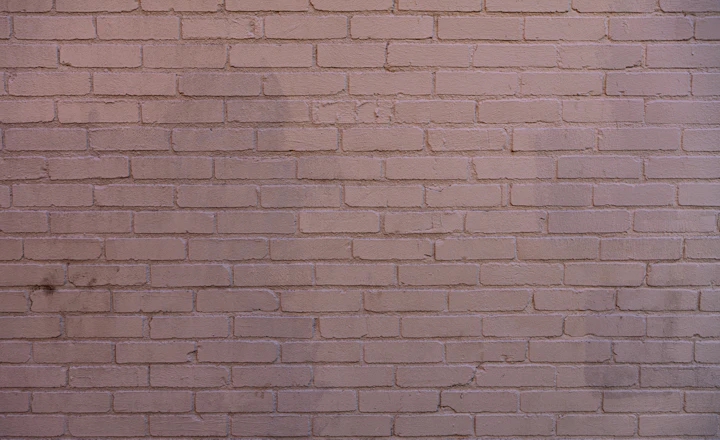
Eroded joints are often the first thing a parapet needs, long before a rebuild.
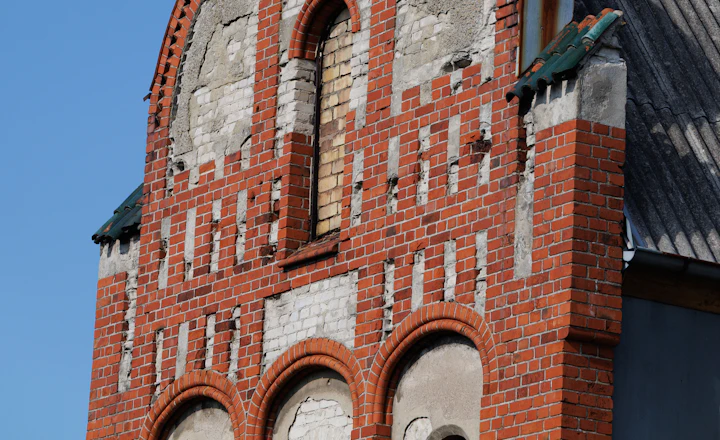
Many pre-war parapets are topped with terra cotta copings, balustrades, or ornament.
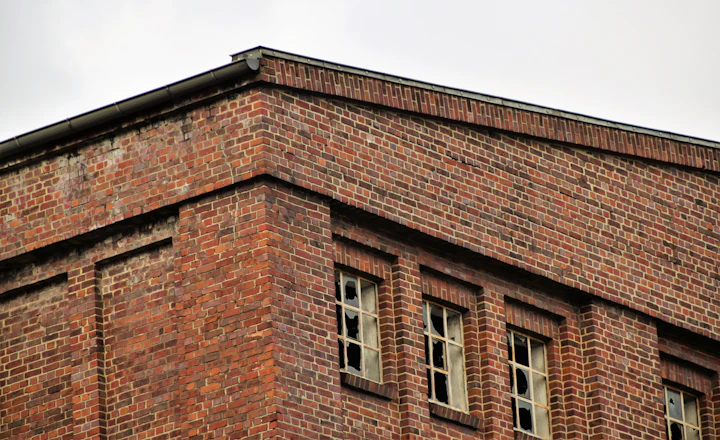
A bow just below the roof line can come from failed wall ties, not the parapet itself.
Get a Free NYC Parapet Wall Assessment From Your Report or Photos
Send your annual parapet report, your FISP report, or photos of the coping and roof edge. We’ll tell you the same day whether the parapet needs a coping reset, bracing, or a full rebuild.