SWARMP Repair NYC: Fixing Safe-With-Repair Conditions Before They Turn Unsafe
A SWARMP rating means your facade passed inspection but has items that need work by a date your inspector set. Miss that date and the next FISP report has to list them as Unsafe, with a sidewalk shed, a 90-day clock, and a $2,000 penalty on top. Our SWARMP repair crews price each item, fix them in one planned setup before the deadline, and give your QEWI the photos to certify the work.
Licensed and insuredFree report review10+ years on NYC facades
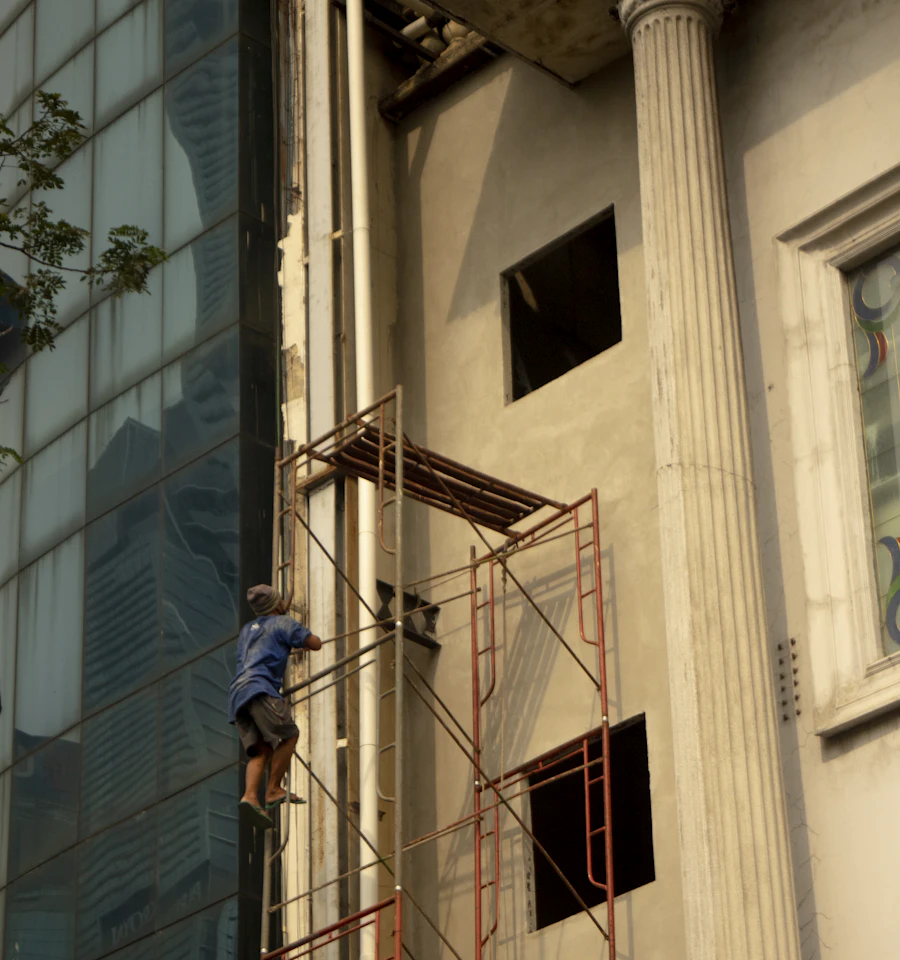
What a SWARMP Rating Means in Your NYC Local Law 11 Report
SWARMP stands for Safe With a Repair and Maintenance Program. It means a facade condition was safe on the day of the inspection but needs repair or maintenance within the next five years, and no sooner than one year, to keep it from turning unsafe. If even one condition is SWARMP and none are Unsafe, the whole building is filed as SWARMP.
The rating is a deadline, not a pass. Your QEWI writes a date in the report by which each item must be done, and at the next five-year inspection the inspector has to certify that every SWARMP item was corrected. Anything left open is reported as Unsafe.
| Condition today | Safe, but needs work to stay that way |
|---|---|
| Repair window | One to five years, set by your QEWI |
| Deadline format | A specific date in the report, not “ASAP” |
| Public protection | Not required for the rating itself |
| Next inspection | Each item must be certified as corrected |
| If left open | Reported Unsafe, plus a $2,000 penalty |
SWARMP vs Unsafe: How the Same Defect Changes Cost and Urgency
A worn mortar joint or a rusting lintel can be rated either way. What changes is how much time, protection, and penalty risk come with it.
| SWARMP | Unsafe | |
|---|---|---|
| What it means | Safe now, needs work within one to five years | Hazardous to people or property now |
| Deadline | The date your QEWI sets in the report | 90 days from the report filing |
| Sidewalk shed or netting | Not required by the rating | Required right away |
| Paperwork after repairs | Certified at the next inspection, or sooner by a subsequent report | Amended report within two weeks of repairs |
| Penalty exposure | $2,000 if it is not fixed and gets filed as Unsafe | Monthly penalties until the amended report is accepted |
| Who sets the work order | You, within the deadline | The clock |
Full Unsafe rules, extensions, and shed fines are on our unsafe facade repair page.
Common SWARMP Conditions Found in NYC Facade Inspections
These are the items inspectors most often list as SWARMP. Each one is cheaper to fix now than after it is rated Unsafe.
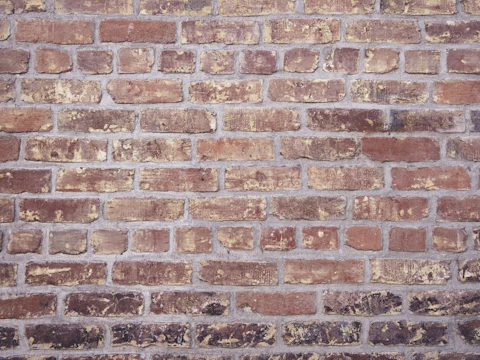
Open or eroded mortar joints
Joints recessed or cracked enough to let water into the wall.
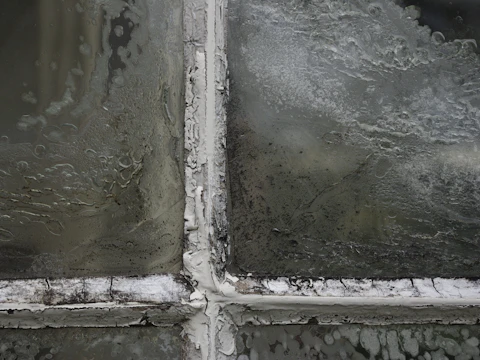
Failed sealant and caulk
Split or shrunken joints at windows, coping, and expansion joints.
Repaired as part of the program
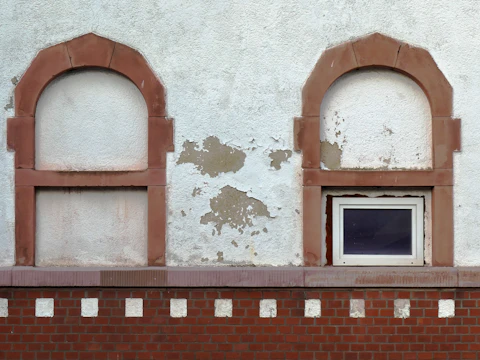
Early rust at window heads
Rust stains or a fine crack starting over an opening.
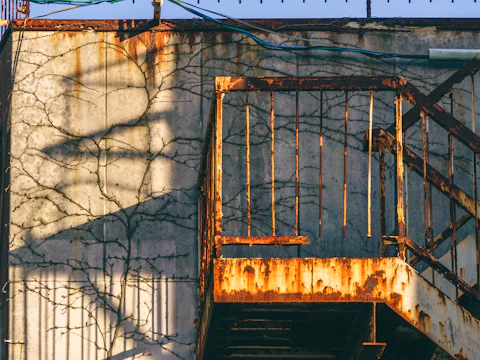
Peeling paint on steel
Fire escapes, railings, and balcony steel losing their coating.
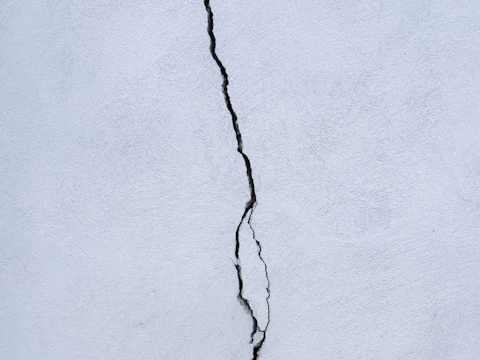
Hairline cracks in masonry
Fine cracks in brick, stone, or stucco that are not yet moving.
Sealed or rebuilt as found
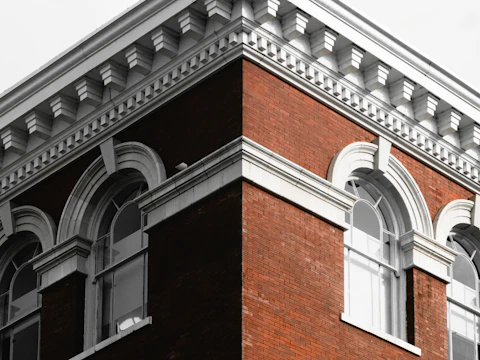
Your report lists each SWARMP item by location and elevation. We price them one line at a time, so the board can see what each item costs.
How to Read the SWARMP Repair Date in Your FISP Report
The date your QEWI writes for each SWARMP item is the one number that decides your schedule.
The date in your report is the last day the work can be done, not a date someone planned to start. Under the facade rule, the QEWI must write it as a full date (MM/DD/YYYY). Time frames under one year, “ASAP”, or “immediately” are not accepted for SWARMP items.
The date is set to stop the condition from becoming unsafe, so it is the date to plan backwards from. Permits, access, and weather all need to fit before it.
How the date has to be written
Need More Time Than the Report Allows?
Tell DOB first. The owner must notify the Department of any change to the QEWI’s time frame, and the next filing must include documents from the QEWI that justify the new date. A subsequent report can also be filed within the cycle to change the time frame or the building’s status.
- Find the earliest SWARMP date in the report
- Count back for permits, access, and weather
- Group items that share the same elevation
- Ask your QEWI before any date slips
Which SWARMP Items to Fix First: Deadline Against Access Cost
Two questions set the order. How soon is the item due, and does reaching it need scaffold or a rig?
Bundle with the next setup
Due later, but needs scaffold or a rig. Do it while access is up for nearer items on the same wall.
Book access now
Due soon and needs scaffold or a rig. File permits first and put every item on that wall in the same setup.
Fit into routine upkeep
Due later and easy to reach from the roof, the ground, or a window. Schedule any time before its date.
Fix first
Due soon and easy to reach. Quick work that takes early risk off the list well before the deadline.
How We Turn SWARMP Items Into a Planned Repair Program
One review, one price list, one access setup, and one record your inspector can certify.

Review the report and walk the facade
We read every SWARMP line, check each location in person, and flag any item that has moved closer to unsafe since the inspection. The report review is free.
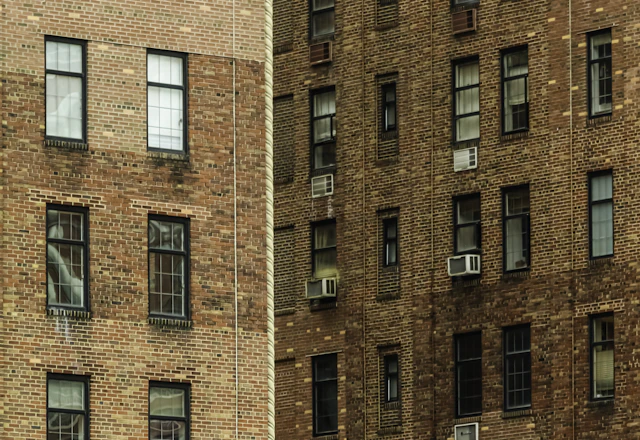
Price each item and group by elevation
Every item gets its own price. Items on the same wall are grouped so they share one scaffold, rig, or lift instead of three.

Schedule ahead of the earliest date
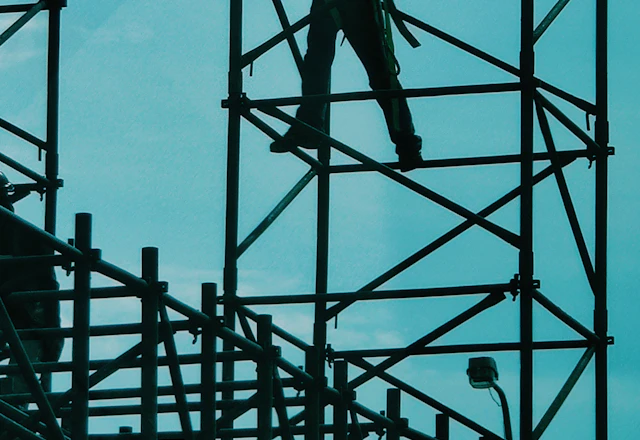
Work is booked well before the first SWARMP deadline, with time left for permits and weather. Our own scaffolding keeps the start date in our hands.
Repair the cause, not only the surface
A joint is repointed, not smeared over. A rust stain is traced to the steel behind it. A repair that fails within the cycle has to be reported as Unsafe.

Hand your QEWI a photo record
Before, during, and after photos are matched to the report’s item numbers, ready for a subsequent report now or the certification at the next cycle.
What Happens When a SWARMP Item Is Not Fixed in Time
A SWARMP item left open does not stay SWARMP. At the next inspection it becomes an Unsafe item, and the costs stack.
- Step 1
The date passes
The QEWI's deadline for the item goes by with no repair.
- Step 2
Next inspection reports it Unsafe
The rule requires any uncorrected SWARMP item to be filed as Unsafe.
- Step 3
A $2,000 penalty
Charged for failing to correct a SWARMP condition that is then filed as Unsafe.
- Step 4
The Unsafe clock starts
Public protection, a 90-day repair deadline, and monthly penalties if it runs over.
Already past the date? Call (917) 355-8556 and we will tell you what can still be done before the next filing.
Changing Your Building's Status From SWARMP to Safe
You do not have to wait five years for the record to catch up. The facade rule lets a subsequent report be filed within the cycle to change the building’s filing status. Once the SWARMP work is done, your QEWI can inspect it and file that report, and DOB lists the filing fee for an amended or subsequent filing at $425.
A Safe status is what shows on the building’s conditions certificate after DOB accepts the report. That matters when a board, a buyer, or a lender asks where the facade stands.
What Your QEWI Needs From Us
- Item-by-item list matched to the report
- Dated before, during, and after photos
- Permit sign-offs where permits were needed
- A note of anything found beyond the report
Planning SWARMP Repairs Around Board Budgets and Reserves
A one-to-five-year window lets co-op and condo boards spread the work instead of paying it all at once.
Split the work by deadline
Fund the earliest dates this year and plan later items for the next budget, all before their own deadlines.
Share access across items
Paying for scaffolding once and fixing every item on that elevation costs less than coming back.
Put the riskiest items first
Items closest to failing get the earliest slot, so nothing turns into a shed and monthly penalties.
SWARMP Repair NYC FAQs
SWARMP means Safe With a Repair and Maintenance Program. The condition is safe at the time of inspection but needs repair or maintenance within the next five years, and no sooner than one year, so it does not become unsafe.
Until the date your QEWI wrote in the report for each item. That date must be at least one year out and fall within the five-year cycle. It is the deadline for the work, not a planned start date.
No. Public protection is tied to Unsafe conditions, and a SWARMP condition was found safe. Protection may still be needed while the repair work itself is done, depending on the job and where it is.
The inspector must report any uncorrected SWARMP item as Unsafe. The owner then faces a $2,000 penalty, plus public protection, a 90-day repair deadline, and the Unsafe penalties that follow.
No. The facade rule does not allow the same condition at the same location to be filed as SWARMP for two consecutive cycles. The QEWI must certify it was corrected or classify the building as Unsafe.
Yes. After the SWARMP work is done, your QEWI can file a subsequent report to change the filing status. DOB lists the fee for an amended or subsequent filing at $425.
Tell DOB before the date passes. The owner must notify the Department of any change to the time frame, and the next filing must include documents from the QEWI justifying the new date.
Repair Pages for the Most Common SWARMP Items
Most SWARMP lines in a report trace back to one of these repairs.
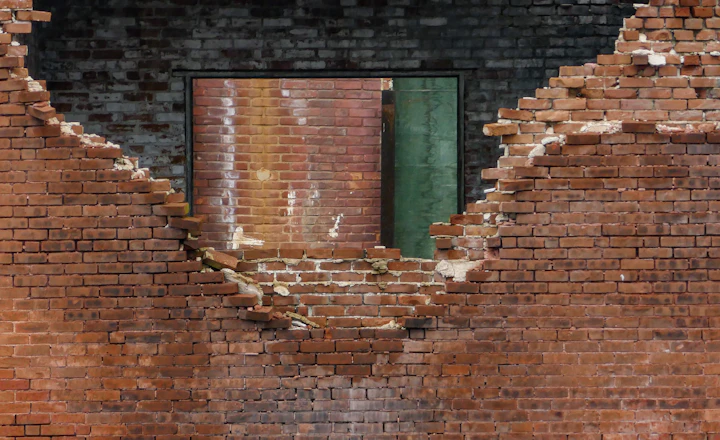
Open joints are the most common SWARMP item and the easiest to fix early.
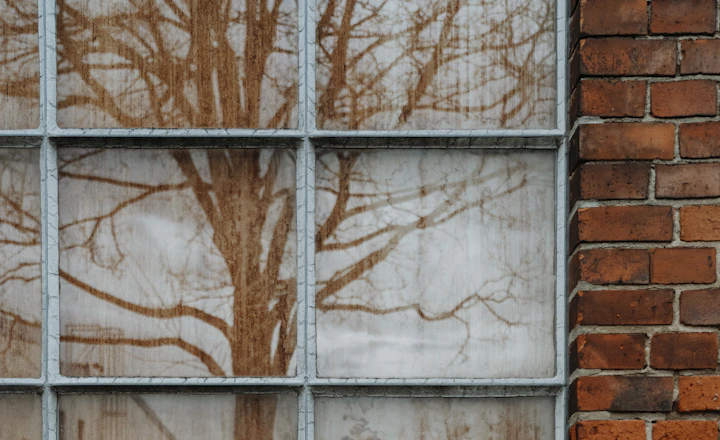
Rust at a window head is SWARMP today and a cracked opening later.
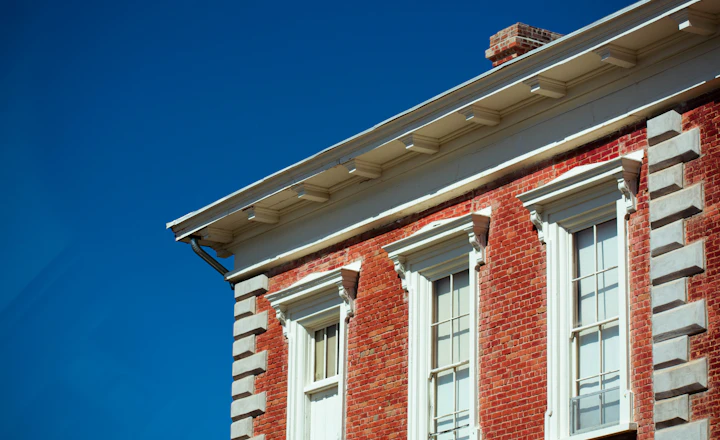
Worn coping and flashing let water into the top of the wall.
Send Your SWARMP Report for an Item-by-Item Repair Plan
Send the report or photos of the SWARMP items. We’ll call back the same day with what each item takes, which ones to do first, and how to fit them all before your QEWI’s dates.