Brick Pointing and Repointing for Older Masonry Facades in NYC
Mortar is the part of a brick wall built to wear out first, and once the joints open, rain gets straight into the wall. Our brick pointing crews rake the failed mortar out to a sound depth, refill the joints with a mix matched to your brick in strength, color, and profile, and give your inspector what they need to clear the condition from your Local Law 11 report.
Licensed and insured24/7 emergency responseFree report review
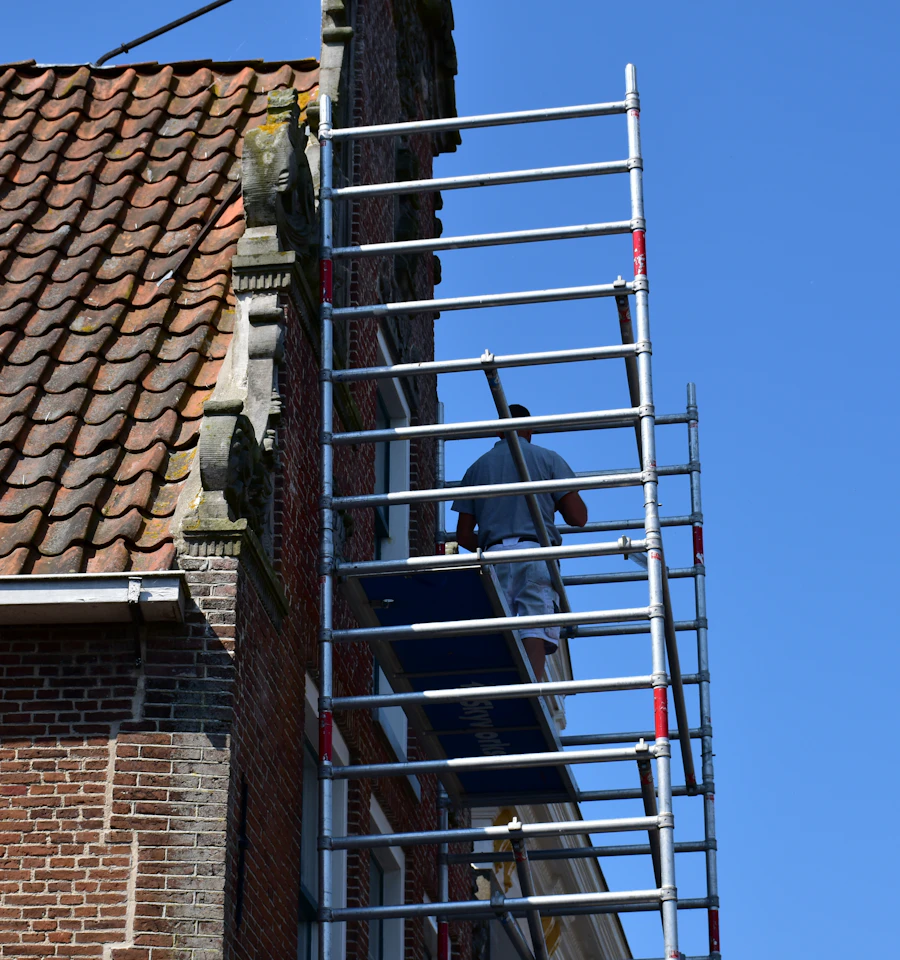
When Does Brick Need Repointing? Signs of Failing Mortar Joints
Brick needs repointing when the mortar between it starts to crumble, recess, or crack, often years before the brick itself shows any damage.
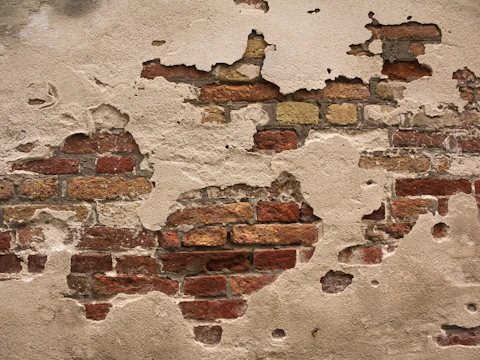
Mortar sitting deep behind the brick face
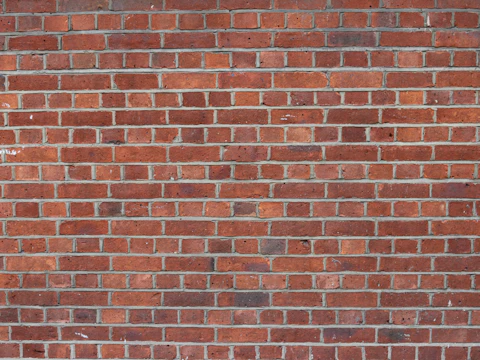
Joints that powder under a key
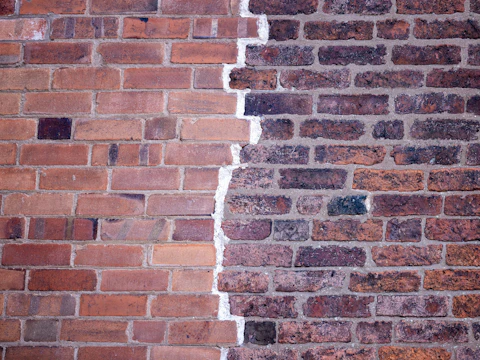
Cracks running along the joint lines
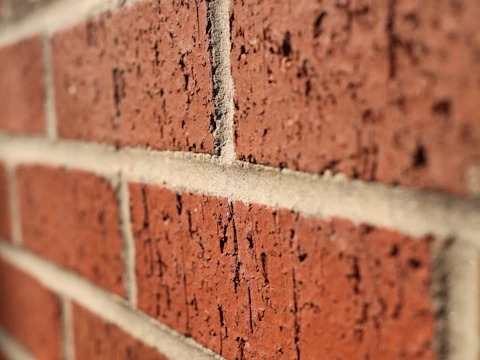
Open gaps at the head joints
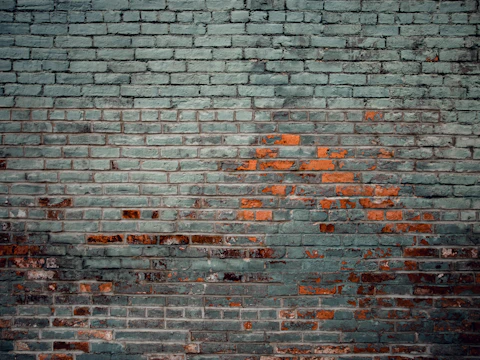
White salt stains or damp patches
Key test: Run a house key along a joint at shoulder height. If it scratches a groove easily or sand pours out, the mortar has lost its binder and the wall is due for repointing.
Brick Pointing vs Repointing vs Tuckpointing: What’s the Difference?
Pointing is filling the joints between bricks with mortar, and repointing is doing it again once the original mortar has worn out: cutting the old mortar back to a sound depth and packing new mortar in its place. In New York, owners and contractors use “pointing” and “repointing” for the same job. Tuckpointing is narrower. Strictly, it is a decorative finish where a thin raised line of lime putty is laid over flush joints to make them look finer, though many people now use the word for ordinary repointing.
The mortar is meant to be the weak link. It should be softer and more breathable than the brick, so moisture and movement work on the joints instead of the brick faces. That is why joints wear out first, and why a good repointing job, done with the right mortar, is expected to last at least 30 years and often 50 to 100.
| What it fixes | Eroded, cracked, or missing mortar between bricks |
|---|---|
| How deep | Old mortar cut out to 2 to 2½ times the joint width |
| Right mortar | Softer and more breathable than the brick, matched in color and profile |
| Typical rating | SWARMP for eroded joints; Unsafe when brick is loose or falling |
| DOB permit | Not needed for repointing itself; sheds and tall scaffolds need their own |
| Landmarks | LPC permit required, with mortar samples approved before work |
Why Mortar Joints Deteriorate Before the Brick Does
Joints fail from the outside in, and each stage lets more water reach the next.
Weather washes out the binder
Rain and wind slowly dissolve the lime at the face of the joint, leaving loose sand behind.
The joint recesses and cracks
As the face erodes, the mortar sits deeper behind the brick and fine cracks open along the bed joints.
Water soaks in and freezes
Open joints hold water instead of shedding it, and each freeze pries the mortar and brick edges apart.
Brick loosens in its bed
With the mortar gone, units rock, shift, and can drop from parapets, cornices, and setbacks.
Patching with hard, cement-rich mortar speeds this up. It traps moisture in the brick instead of the joint, and the brick faces start to spall.
Can Deteriorated Mortar Joints Make a Facade Unsafe?
Yes, once the brick it was holding starts to move. Eroded joints on their own are a maintenance item; loose brick over a sidewalk is a public hazard.
Watch it
What you see
Hairline cracks in a few joints, mortar slightly behind the brick face but still hard
What to do
Fix any roof, gutter, or coping leak feeding the area, and have your inspector note it
Repoint soon
What you see
Mortar that crumbles under a key, joints deep enough to catch a fingertip, open head joints, salt stains
What to do
Plan repointing of the affected elevations before your SWARMP completion date
Act now
What you see
Brick that rocks in its joint, missing units, mortar or brick pieces on the sidewalk, setbacks, or roof
What to do
Keep people clear below, install protection, and call us the same day
Note: The official Safe, SWARMP, or Unsafe rating comes from your QEWI’s report. These levels only help you judge how soon to call.
How NYC Brick Repointing Is Done, From Raking Out to Curing
Repointing works only when the old mortar comes out deep enough and the new mortar goes in slowly, in thin layers.
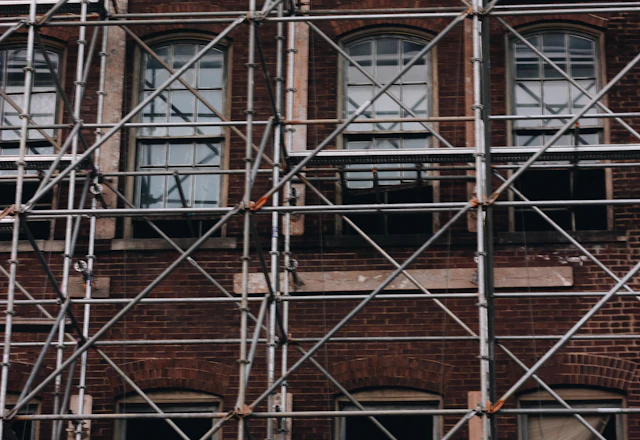
Survey the joints and stop the water source
We scrape-test every elevation in your report, mark spot areas versus full walls, note old cement patches, and fix leaking copings or gutters first so new joints don’t fail the same way.
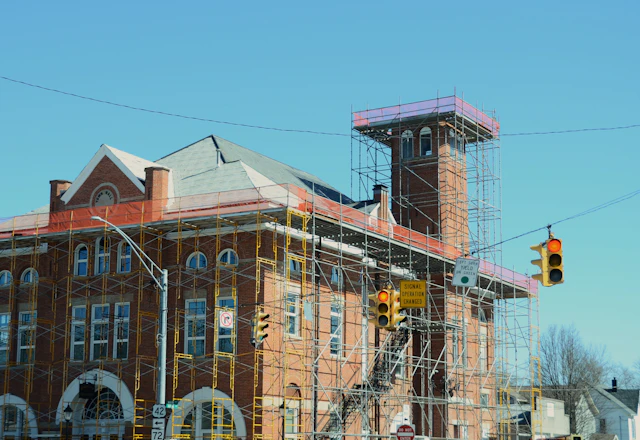
Set up safe access
We put up the sidewalk shed, scaffold, or rig with our own equipment or rentals, and file their DOB permits: every shed needs one, and so does a supported scaffold over 40 feet.
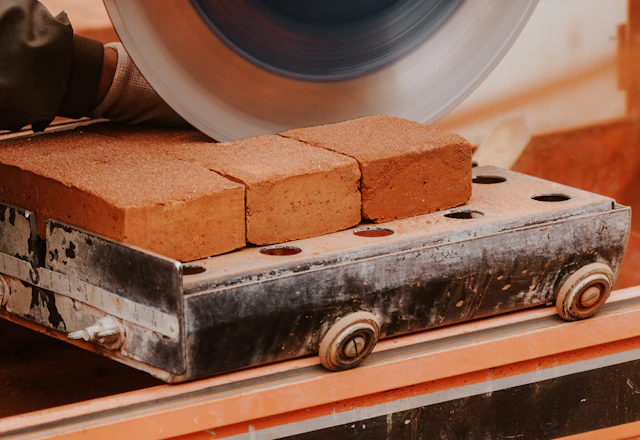
Rake out to sound mortar
We cut joints back to 2 to 2½ times their width, by hand chisel on head joints and older brick, so the brick edges stay sharp and the joints don’t get wider.
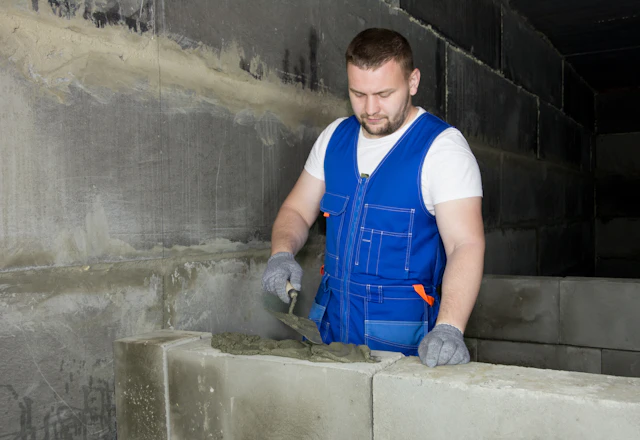
Pack in layers and tool to match
The joint is dampened and filled in layers about ¼ inch thick, each packed hard, then tooled to the original profile once the mortar is thumbprint-hard.
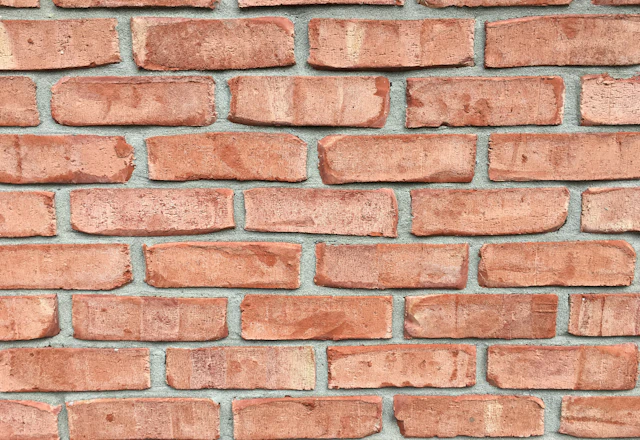
Cure, clean, and document
We keep the new mortar from drying too fast, clean off smears, and send dated photos of each repointed area to your QEWI for the report.
Mortar Matching for Repointing: Why Harder Mortar Damages Older Brick
The new mortar has to be weaker than the brick, not stronger. Portland cement wasn’t common in brickwork until the early 1900s, so most older NYC facades were laid in soft lime mortar, and a hard modern mix pushes the stress into the brick faces instead of the joint.
Strength
A mix softer and more breathable than the brick, and no stronger than the original mortar, often lime-rich for 19th-century walls.
Color and texture
Sand chosen for color and grain, pigment where needed, and samples cured beside cleaned original mortar before you approve one.
Joint profile
Tooled to the original shape, whether concave, flush, struck, or raked, so repaired areas don’t stand out from the street.
| Matched, softer mortar | Hard cement-rich patch | |
|---|---|---|
| Where moisture leaves the wall | Through the joint, which is meant to wear | Through the brick, which starts to flake |
| What happens under movement | The joint cracks and is easy to repoint again | Stress lands on brick edges, which spall |
| How it looks over time | Weathers in with the original joints | Stays a different color and texture |
| Next repair | Rake and repoint the joints | Replace damaged brick as well as repointing |
Inside a Repointed Mortar Joint
How deep the old mortar comes out, and how the new mortar goes back in.
- 1BrickLeft untouched, edges kept sharp
- 2Old mortarSound mortar stays at the back
- 3Rake depth2 to 2½ times the joint width (w)
- 4New mortarPacked in layers about ¼ inch thick
- 5Tooled faceFinished to the original profile
Landmarked buildings: The LPC requires failed mortar to be removed by hand, new mortar to match the original color and profile, and samples installed next to cleaned original mortar for review. We prepare at least two sample options so approval isn’t held up.
How Mortar Joint Conditions Appear in a FISP Report NYC
Terms to look for:
Deteriorated mortar jointsOpen or missing mortarEroded jointsLoose or displaced brick
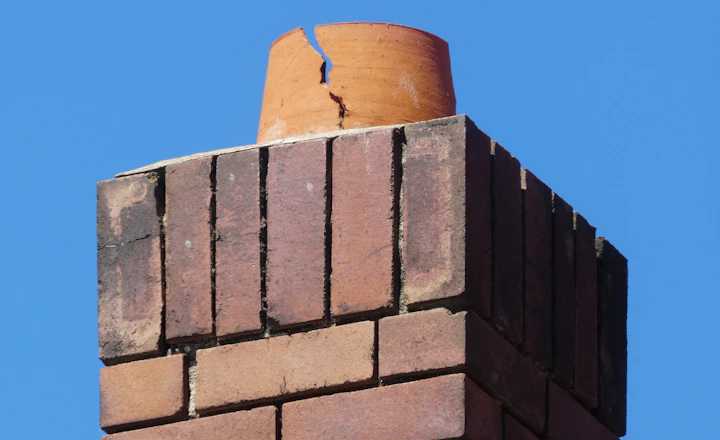
Mortar problems usually appear in a facade report as “deteriorated mortar joints,” “open joints,” or “missing mortar,” with the elevation, the floors affected, and photos. Widespread erosion with tight brick is typically rated SWARMP, with a repair date your QEWI sets before the next cycle. Joints that have let brick loosen, especially at parapets, chimneys, and cornices, can push the condition to Unsafe, which means protection right away and repairs within 90 days of filing. Send us the report and we’ll price each listed area separately, so you can see what’s urgent and what can follow.
By rating: Unsafe facade repair · SWARMP repair · find your filing window
How to Choose a Brick Repointing Contractor NYC: 5 Questions to Ask
- How deep will you rake the joints, and will the head joints be cut by hand or with a grinder?
- Which mortar type will you use, and how do you know it’s softer than my brick?
- Will you put up sample panels so I can approve color and joint profile first?
- Are you repointing only the damaged spots or whole elevations, and why?
- Who files the sidewalk shed or scaffold permit, and how will windows and sills be protected?
Brick Pointing Cost in NYC: What Sets the Price
Pointing is priced by the area of joints that need work and how hard that area is to reach. These five things move it most:
- Spot repair or full elevation. A few bad patches cost far less than repointing a whole wall, but scattered patches rarely match.
- Joint size and condition. Narrow joints in old brick need slow hand raking, and deep erosion takes more mortar per foot.
- Old cement patches to remove. Hard mortar, caulk, or coatings smeared over joints add cutting and cleaning time.
- Height and access. A shed, scaffold, or rig, and how many weeks it has to stay up.
- Mortar matching and approvals. Mortar analysis, sample panels, and LPC review on landmarked buildings add time before work starts.
NYC Brick Pointing and Repointing FAQs
A well-done job with the right mortar should last at least 30 years, and often 50 to 100. Exposed spots such as parapets, chimneys, and walls facing the weather usually need it sooner than sheltered walls.
No. A thin skim over weak mortar has nothing solid to bond to and pops out within a few winters. The old mortar has to be cut back to 2 to 2½ times the joint width before new mortar goes in.
DOB lists brick repointing as work that doesn't need a permit. The access often does: every sidewalk shed needs one, and so does a supported scaffold over 40 feet. Landmarked buildings also need an LPC permit.
It should. We match sand color and grain, add pigment where needed, and tool the joint to the original profile. Fresh mortar can look slightly brighter at first and weathers in over the following months.
Mortar must not freeze while it cures, so cold-weather work needs heated enclosures and protection. For most jobs, we schedule repointing for milder months unless the condition is urgent.
Usually the mortar was too hard, the joints weren't raked deep enough, or the cause underneath wasn't fixed, such as rusting ties, a failing lintel, or a leaking coping.
No. A clear coating doesn't fill an open joint, and on older brick some coatings slow drying and trap moisture behind the face. Repoint first, and use a breathable repellent only if your engineer recommends one.
Facade Problems Caused by Open Mortar Joints
Open joints are usually the first way in. Left alone, the water reaches the steel and ties inside the wall.

Water through open joints rusts the ties that hold the face brick to the building.
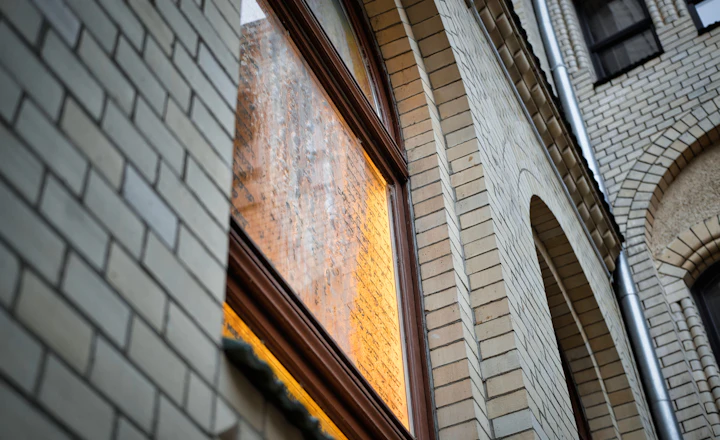
Eroded joints over a window feed water straight onto the lintel below.
Parapets weather on both faces and the top, so their joints fail before the rest of the wall.
Get a Free Brick Pointing Estimate in NYC
Share your FISP report or close-up photos of the joints. We’ll tell you the same day whether spot repointing will do or whole elevations need it.