Balcony Repair in NYC
A balcony hangs off the building with nothing but its anchors and a railing between the people on it and the sidewalk. When water soaks the slab or sits on the steel, the reinforcing and connections rust, and railing posts set into the edge crack it from inside. Our balcony repair crews make each balcony safe, repair the slab or steel, re-anchor or replace the railing, and seal the deck, so your inspector can clear it from your Local Law 11 report.
Licensed and insured24/7 emergency responseFree report review
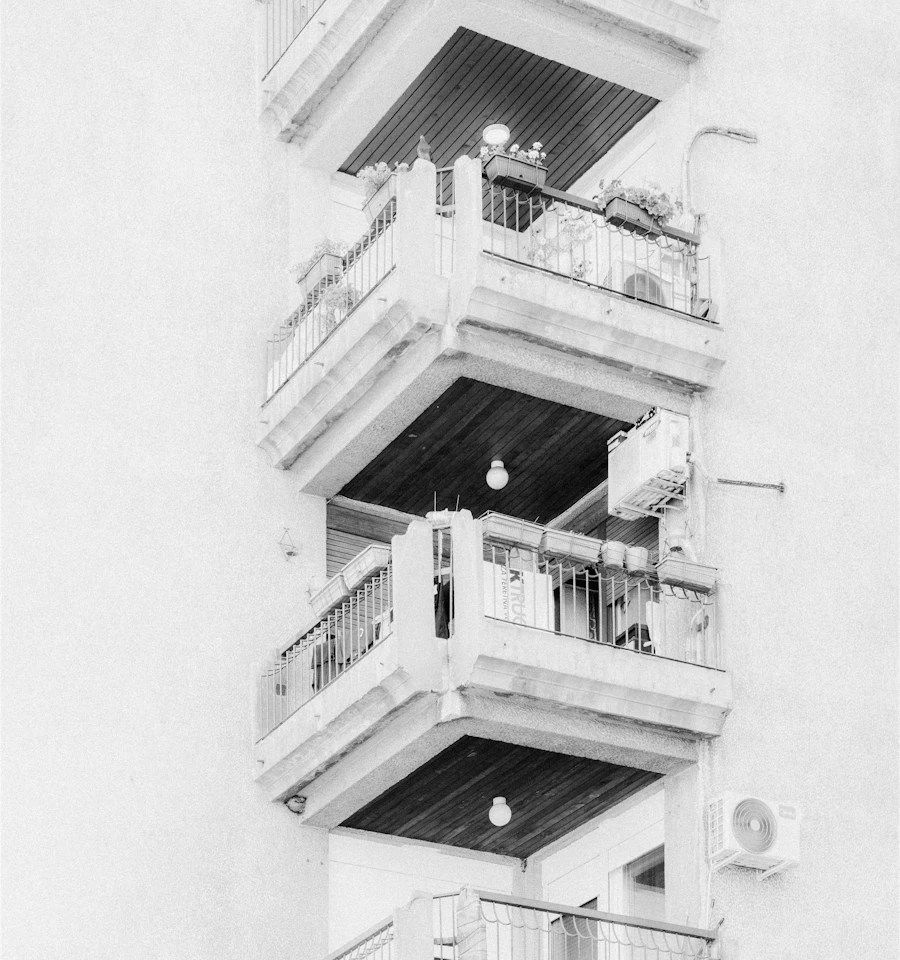
Balcony Damage Signs Owners and Tenants Notice First
Balconies show trouble underneath and at the railing before anything else. These five signs mean water has reached the steel.
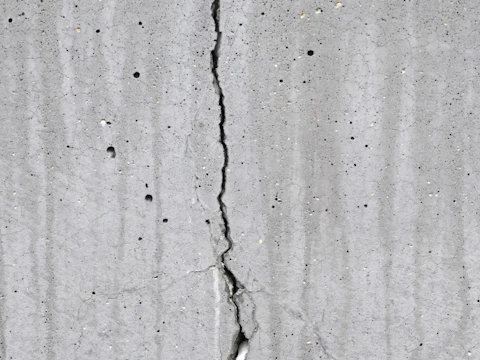
Spalling balcony slab edge
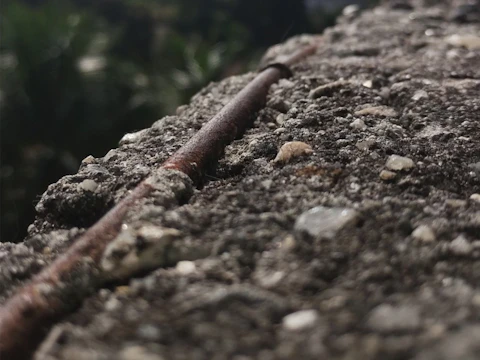
Rusted rebar under the balcony
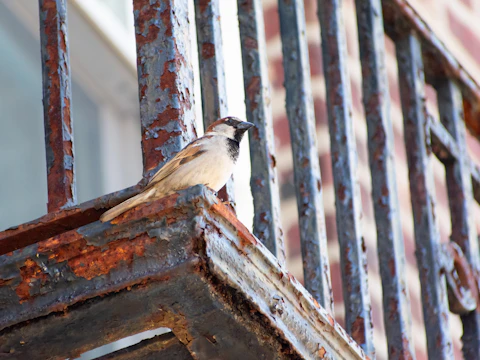
Balcony railing that wobbles
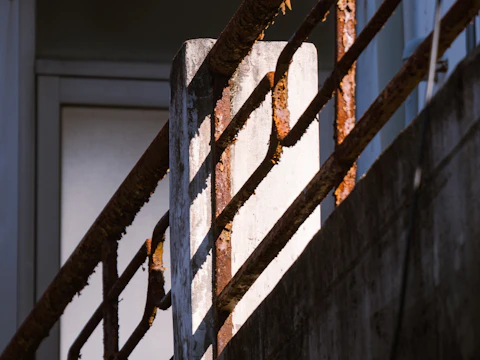
Cracks around the railing posts
Water ponding on the balcony deck
Hand check: Standing back from the edge, push the top rail sideways with one hand. A railing that moves, clicks, or rocks at its posts should be checked before anyone leans on it again.
How NYC Balconies Are Built, and Where Balcony Damage Starts
Most balconies on NYC apartment buildings are one of two kinds. Concrete balconies are reinforced slabs that cantilever out from the floor inside, with steel bars near the top carrying the load back into the building. Older balconies are often steel or iron frames, with brackets or beams anchored into the masonry and a deck of concrete, stone, or grating. On both, the railing is a guard: new or replaced railings must be at least 42 inches high and leave no gap a 4-inch sphere can pass through.
Balconies fail in the same three places. The slab edge and underside crack and spall when water and carbonation reach the steel. The joint with the building lets water run back toward the wall. And railing posts set into the slab rust in their pockets and break out the concrete around them. Concrete is repaired by cutting out damaged concrete past the bars, treating or adding steel, patching, and sealing the deck. Steel balconies are cleaned, repaired or replaced member by member, primed, and re-anchored. Railings are re-anchored, rebuilt, or replaced.
| Common types | Cantilevered concrete slabs; steel or iron frames with a deck |
|---|---|
| Most common failure | Rusted reinforcing, corroded connections, loose railings |
| Where to look | Slab edge and underside, railing posts, wall connection |
| New railings | At least 42 inches high, no gap that passes a 4-inch sphere |
| Inspection | Part of every FISP report since the 2013 balcony rule |
| If unsafe | Close the balcony, protect below, repair before reopening |
Why NYC Concrete Balconies Spall and Balcony Railings Work Loose
Almost every balcony failure starts with water that stays on or in the balcony longer than it should.
Water sits on the balcony deck
Flat or back-sloped decks, worn coatings, and blocked drains leave water standing on the slab.
Moisture reaches the balcony steel
Through cracks, post pockets, and porous concrete, water and carbonation reach the rebar or the steel frame.
Rusting rebar and steel swell
As it corrodes, the steel expands and pushes the concrete off the bars or splits the connections apart.
The balcony loses strength
Bars, beams, and anchors thin out, the slab cracks or sags, and railing posts work loose.
Railing posts set straight into the slab edge are the most common trouble spot. Water collects in the post pocket, the post rusts, and the swelling steel breaks out the corner of the slab.
When Is a Balcony Unsafe to Use?
A balcony is unsafe to use as soon as its railing moves or its slab shows rusted, exposed steel. A railing has one job, to stop a fall, and a loose one can give way with no warning.
Watch it
What you see
Hairline cracks, a worn deck coating, light surface rust on the railing, railing firm
What to do
Recoat the deck, keep drains clear, and have it noted at the next inspection
Repair soon
What you see
Spalls on the underside or edge, rust stains, cracked post pockets, standing water
What to do
Plan slab or steel repair and railing re-anchoring before your SWARMP date
Act now
What you see
A railing that moves, exposed rebar with heavy rust, a sagging slab, pieces falling below
What to do
Close the balcony to residents, protect the area below, and call us the same day
Note: Your QEWI rates balconies and railings Safe, SWARMP, or Unsafe. If a railing is loose, keep everyone off that balcony until it is fixed, whatever the report says.
Balcony Repair and Restoration NYC: How We Fix Concrete and Steel Balconies
Every balcony in a stack gets checked, not only the ones listed in the report, because damage often repeats floor by floor.
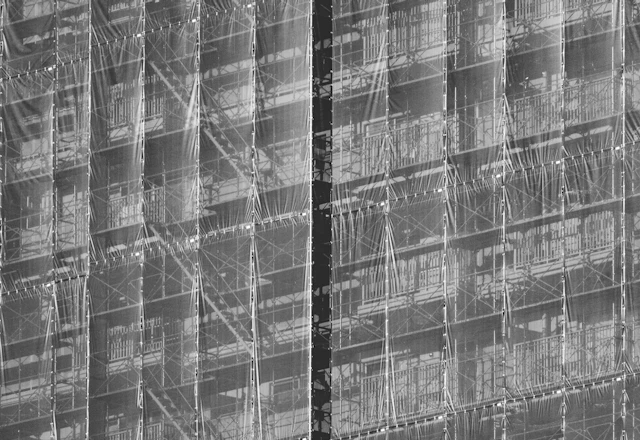
Close the balcony and protect below
Unsafe balconies are closed to residents, loose pieces come down, and netting or a sidewalk shed goes up below, from our own equipment or rentals.
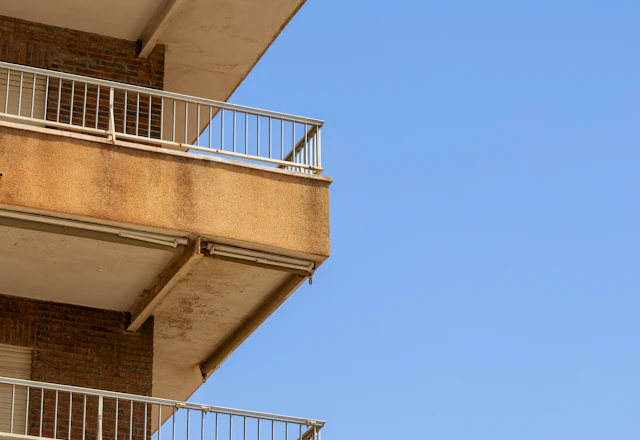
Sound and test every balcony
We sound the slab and underside for hollow areas, check bars or steel members for section loss, and test railing posts and anchors, then mark each balcony on a plan.
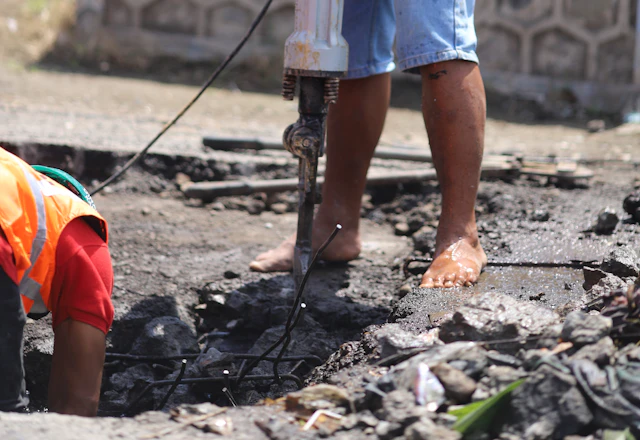
Shore the slab and remove the damage
Where the engineer calls for it, the slab is shored. Damaged concrete is cut out past the bars, and rusted steel members are cleaned back or cut out.
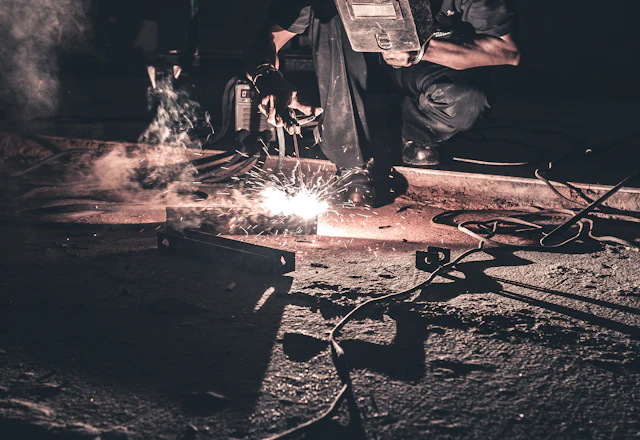
Repair the rebar, steel, and concrete
Bars are cleaned, treated, or supplemented and patched with repair mortar. Steel members are replaced or plated, primed with a rust-inhibiting primer, and reattached with stainless fasteners.
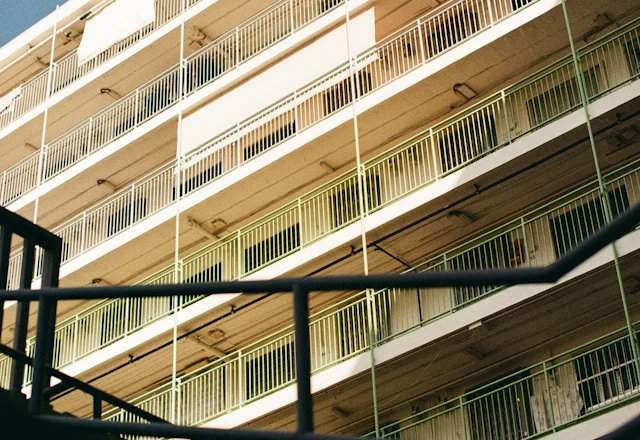
Reset railings and waterproof the deck
Railings are re-anchored or replaced to code, and the deck gets a waterproof coating sloped away from the building. Dated photos of every balcony then go to your inspector.
Concrete vs Steel Balconies: Different Failures, Different Repairs
The first question on any balcony job is what holds it up. A concrete slab and a steel frame rust in different places, so they are checked and repaired differently.
Concrete Balcony Slabs
- How it’s built
- A reinforced slab cantilevered from the floor inside, with railing posts often cast into the edge.
- How it fails
- Water and carbonation reach the bars, causing spalls on the underside and edge, rust stains, and cracked post pockets.
- How it’s repaired
- Concrete removed past the bars, steel treated or added, patched, sealed with a waterproof deck coating, posts re-anchored.
- What to watch
- The top bars at the wall, which carry the load and can’t be seen from below.
Steel and Iron Balconies
- How it’s built
- Steel or iron brackets, beams, or channels anchored into the masonry, carrying a concrete, stone, or grating deck.
- How it fails
- Rust builds up at joints and anchors where water collects, members lose thickness, and masonry cracks at anchor points.
- How it’s repaired
- Cleaned to bare metal, corroded members replaced or plated, reattached with stainless fasteners, primed and painted.
- What to watch
- The anchors into the wall, and any copper or lead touching the iron, which speeds up rust.
Balcony Railing Code Requirements in NYC
New or replaced railings must be at least 42 inches high, resist 50 pounds per foot along the top rail and 200 pounds at any single point, and leave no gap a 4-inch sphere can pass through. Balusters, rails, and panels must also be fastened so they cannot be lifted out.
Balcony Inspection in NYC: What FISP Checks on Balconies and Railings
Terms to look for:
Spalled balcony slabExposed reinforcingLoose railingCorroded balcony steel
Balconies and railings have been part of every FISP inspection since a 2013 rule change, and the DOB counts terraces, walkways, fire escapes, and roof setbacks with railings as balconies too. Your QEWI inspects a representative sample of balconies, checks that railing parts are secured against being lifted out, and may test railings or open up slabs to see the steel. Balcony and terrace enclosures are inspected as well. A loose railing or a slab with heavy steel loss is usually rated Unsafe, which means closing the balcony, protecting the area below, and repairs within 90 days of filing. Spalls and worn coatings over sound steel are often rated SWARMP. Send us the report, and we’ll price each balcony or stack separately.
Before You Hire a Balcony Repair Contractor NYC, Ask These Five Questions
- Will you sound every balcony in the stack, or only the ones the report lists?
- How will you check the top bars at the wall connection, which can’t be seen from below?
- Will railing posts be re-anchored in new sleeves or side-mounted, and what metal are the anchors?
- Which deck coating will you apply, and will the balcony drain away from the building afterward?
- Who handles DOB permits, landmarks approvals, and access through occupied apartments?
What Goes Into a Balcony Repair Estimate in NYC
Balcony work is priced per balcony after every one has been sounded, so the count in your report is only a starting point. These five things move the number most:
- How many balconies, and how many are damaged. Repeating damage up a stack is common once each slab is sounded.
- Concrete or steel, and how deep the repair goes. A surface patch, a full-depth repair, and a replaced member are very different jobs.
- What the railings need. Re-anchoring, repairing, or replacing railings, and whether new ones must be brought up to current code.
- Access. Working from inside apartments, from a swing stage, or from a scaffold, and scheduling around residents.
- Coatings, finishes, and approvals. Deck coatings, matching paint and finishes, DOB permits, and landmarks review where it applies.
NYC Balcony Repair and Railing Safety FAQs
Check the railing and the underside. A railing that moves, exposed rusted bars, or concrete falling from the slab edge are signs to keep off it and have it inspected. Buildings over six stories also get a close-up balcony check in every FISP cycle.
Usually, yes. Damaged concrete is cut out past the bars, the steel is cleaned, treated, or supplemented, and the slab is patched and sealed. Replacement is for slabs with heavy steel loss at the wall connection.
The posts are re-anchored in new sleeves with corrosion-resistant anchors, or the railing is side-mounted to the slab edge. Railings that are badly rusted or too low are replaced with new ones built to current code.
New or replaced balcony railings must be at least 42 inches high, measured from the balcony floor, with no gap a 4-inch sphere can pass through. Older railings built under earlier codes are judged by your inspector.
Yes. Since a 2013 rule change, the QEWI must inspect balconies and railings, along with terraces, walkways, fire escapes, and roof setbacks with railings, and include them in the FISP report.
Yes. Balcony and terrace enclosures count as appurtenances, so the QEWI inspects them and rates them Safe, SWARMP, or Unsafe. The owner must keep them safe at all times.
Water collects where the posts enter the slab and stays there. The post rusts in its pocket, swells, and cracks the concrete around it, which is also what loosens the railing.
Sources: NYC DOB, Code Notes: Facades; Hoffmann Architects, Local Law 11 Balcony Update; Habitat, Local Law 11 Adds Balcony Inspections; Rimkus, Balcony Railing Code Requirements in New York City; NPS Preservation Brief 15: Preservation of Historic Concrete; NPS Preservation Brief 27: Maintenance and Repair of Architectural Cast Iron; Construction Canada, Building More Durable Balconies.
Facade Repairs That Often Come Up With Balcony Work
Balconies sit on the same elevations as the openings and ornament around them, so these repairs often share the same scaffold.
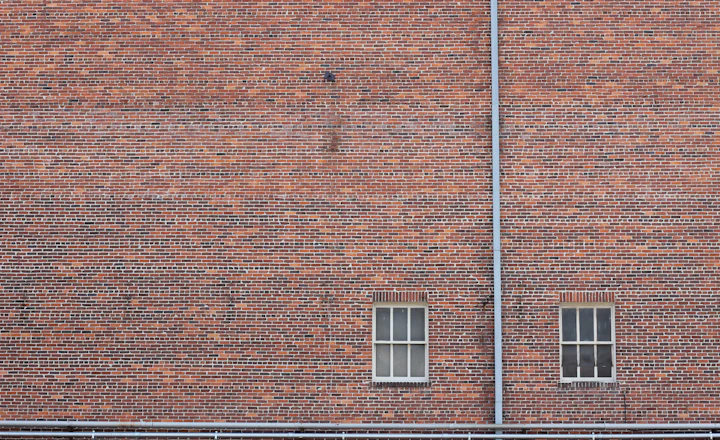
The steel over balcony doors rusts from the same water and cracks the brick above.
Many older balconies rest on terra cotta or stone brackets with hidden metal anchors.
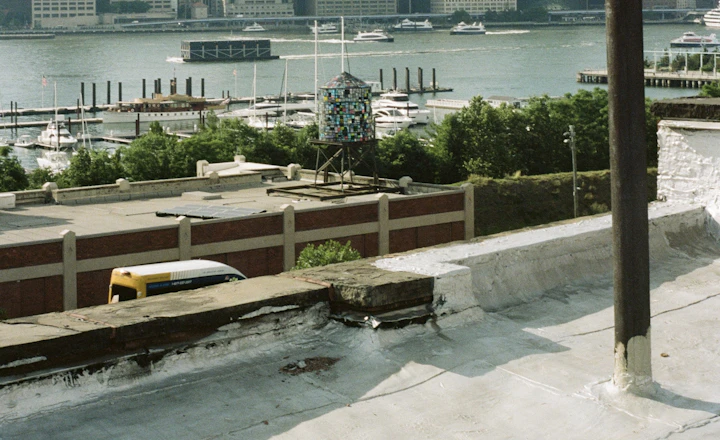
Roof terraces and setbacks have railings and parapets that take the same weather.
Book a Free Balcony Repair Review for Your Building
Send photos of the slab underside, the railing posts, and any rust stains, or send your FISP report. We’ll tell you the same day which balconies can stay open and which need work first.