Terra Cotta Repair and Restoration for NYC Building Facades
The cornices, window surrounds, and ornament on many pre-war facades are hollow clay units hung on metal anchors. Once water gets through crazed glaze or open joints, those anchors rust and the units crack from inside. Our terra cotta repair crews sound every unit, then patch, pin, or replace what’s failing in a matched color and glaze, so your inspector can clear the condition from your Local Law 11 report.
Licensed and insured24/7 emergency responseFree report review

Terra Cotta Facade Damage: What Cracks, Spalls, and Rust Stains Mean
Most terra cotta damage starts behind the glaze, so the surface clues are small. These five are the ones that point to water and rusting anchors inside the units.
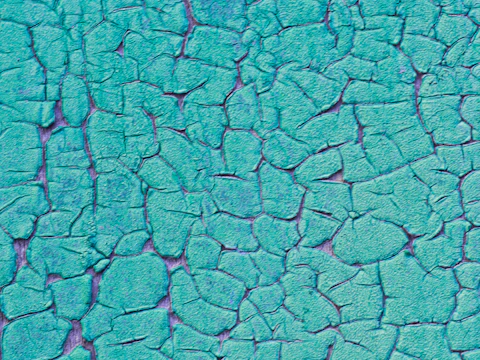
Crazed or crackled glaze
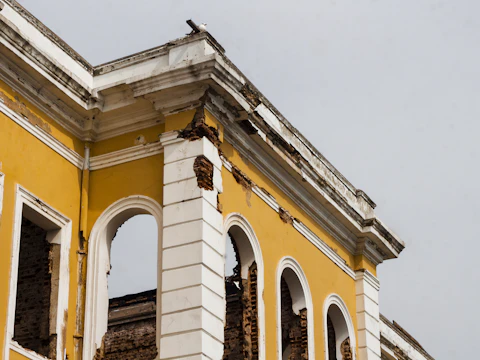
Spalled faces and missing chunks
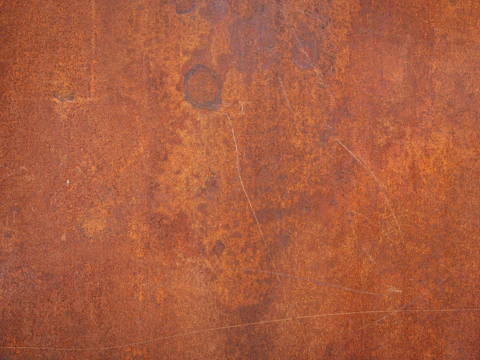
Rust streaks below a crack or joint
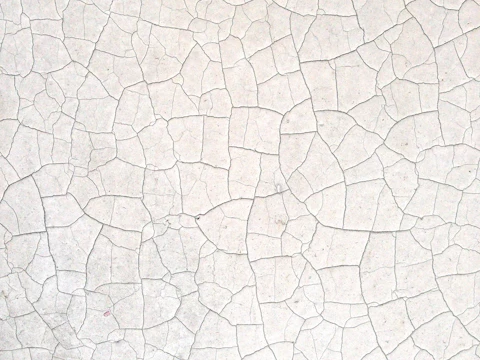
Cracks running through a unit
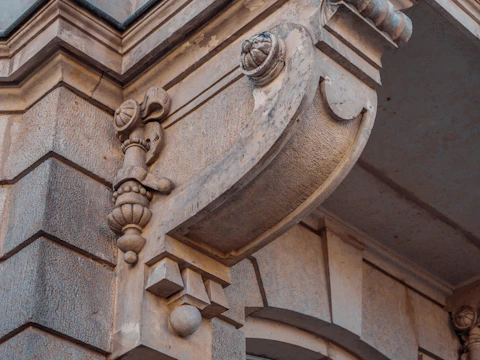
Units out of line with their neighbors
Binocular check: Scan cornices and window heads with binoculars on a bright day. Fine crazing on its own is common, but a crack through the glaze with a rust streak below it means the anchor behind is corroding.
What Is Glazed Architectural Terra Cotta, and Why Does It Crack?
Architectural terra cotta is fired clay cast into hollow blocks, open at the back and stiffened by internal webs, and usually finished with a glaze. It was popular from the late 1800s through the 1930s for cornices, window surrounds, ornament, and whole cladding fields, because it could be molded into fine detail and weighed far less than carved stone. Each unit was hooked to the building frame with iron or steel anchors and backed with brick or mortar.
The clay itself lasts. What fails is the system around it. Water gets in through crazed glaze, open joints, and poor drainage, the porous clay body soaks it up, and the hidden anchors rust. Rusting anchors crack the units from inside, and freezing water pops off the glazed face. Small spalls can be patched and reglazed, cracked but sound units can be pinned with stainless steel anchors, and units that are broken or have lost their anchorage are replaced.
| What it is | Hollow fired-clay units, usually glazed, hung on metal anchors |
|---|---|
| Where you see it | Cornices, window surrounds, ornament, and cladding on pre-war buildings |
| Why it fails | Water through crazed glaze and open joints rusts the anchors |
| Repair options | Patch and reglaze, pin with stainless anchors, or replace |
| Typical rating | Unsafe when units are cracked through or loose; SWARMP for spalls and crazing |
| Landmarks | LPC staff permits cover repair, anchoring, and in-kind replacement |
How Hidden Anchor Corrosion Breaks Terra Cotta From the Inside
Terra cotta fails from the back of the unit forward, which is why the face can look fine until a piece drops.
Water gets past the glaze
Crazed glaze, open joints, and worn sealant at ledges let rain into the hollow units.
The clay body stays wet
The porous body soaks up water, and every freeze pushes against the glaze until the face spalls.
Anchors rust in the dark
The iron or steel anchors inside the units corrode and swell, cracking the webs that hold them.
The unit lets go
With its anchor gone and its body cracked, a unit shifts out of line or drops.
Clear sealers on crazed glaze and caulk in place of mortar both trap water inside the units and speed up spalling. The fix is to stop the water and let the units dry, not to coat them.
Is Cracked Terra Cotta Dangerous? Three Levels of Damage
It is once a crack runs through the unit or the unit moves. Ornament and cornices sit high above the sidewalk, so a loose piece is a falling hazard even when it looks small from below.
Watch it
What you see
Fine crazing in the glaze, no rust, units tight and in line
What to do
Keep joints and ledges sound, and have your inspector note the areas
Repair soon
What you see
Spalled faces or edges, open joints, rust stains, cracks that stop short of the back
What to do
Plan patching, pinning, and joint repair before your SWARMP completion date
Act now
What you see
Cracks through a unit, displaced or rocking units, missing pieces, fragments on the sidewalk or setbacks
What to do
Keep people clear below, install protection, and call us the same day
Note: Your QEWI sets the Safe, SWARMP, or Unsafe rating in the facade report. Use these levels to decide how quickly to get the units looked at.
Our Terra Cotta Restoration Process in NYC, From Sounding to Sign-Off
Every unit is checked by hand before anything is priced, because the worst damage is the part you can’t see.
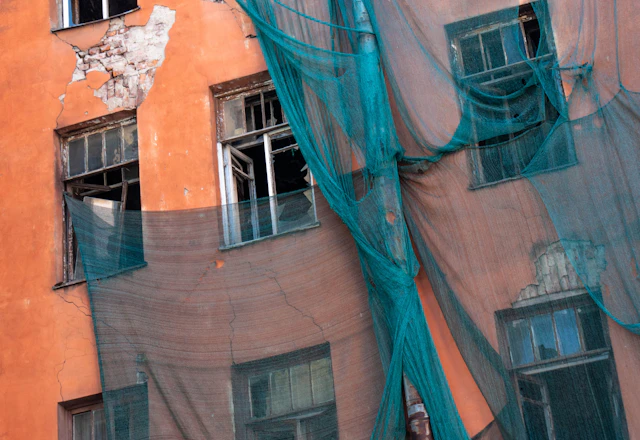
Make the facade safe
Loose fragments are taken down or netted right away, and the sidewalk shed or scaffold goes up under DOB permit, using our own equipment or rentals.
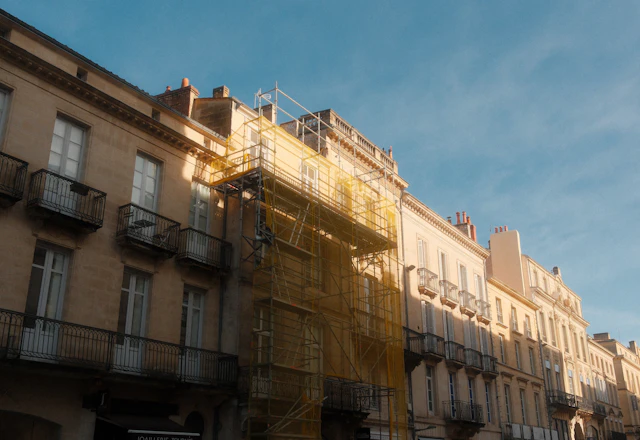
Sound and map every unit
From the scaffold, each unit is tapped with a wooden mallet, never a metal hammer, and hollow, cracked, spalled, and stained units are marked on elevation drawings tied to your report.
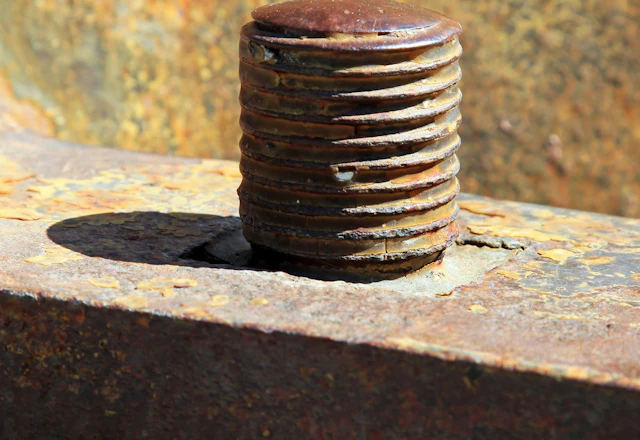
Find and check the anchors
A metal detector locates the anchors, and small openings at the worst units show how much steel is left so the engineer can set the repair.
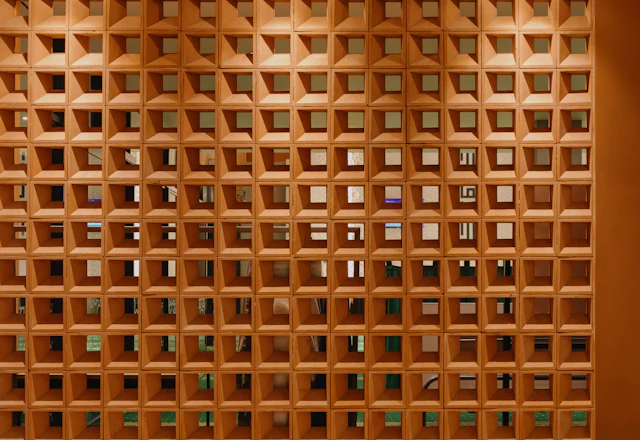
Patch, pin, or replace
Small spalls are cut back and patched, cracked units are pinned to the backup with stainless steel, and broken units are taken out and replaced with new anchors.
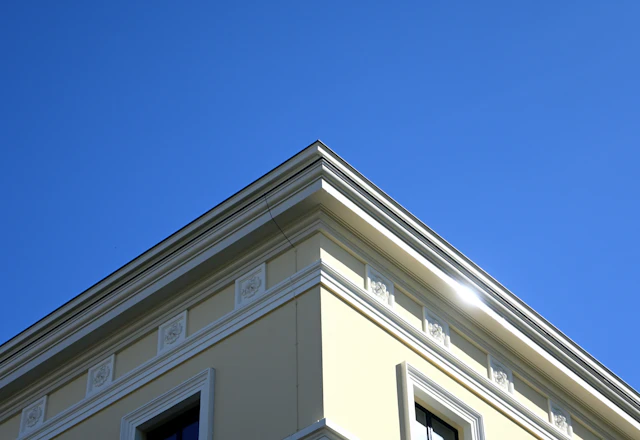
Reglaze, repoint, and document
Patches get a repair glaze matched to the original, joints are repointed with mortar rather than caulk, and dated photos of every unit go to your QEWI for the report.
Patch, Pin, or Replace: Choosing the Right Terra Cotta Repair
Most terra cotta can be kept. The choice depends on two things the sounding and anchor checks show: whether the clay body is still sound, and whether the unit is still held to the building.
Patch and reglaze
- When it fits
- Spalls, chips, or lost glaze at faces and edges, with the unit sound and anchored.
- What we do
- Cut back to sound clay, build up a mineral patching compound in keyed layers, carve to profile, and apply a matched repair glaze.
- Limits
- Small areas only; not for cracked or loose units.
Pin in place
- When it fits
- A cracked or partly loose unit whose clay body is still sound.
- What we do
- Drill through joints or discreet spots and set stainless steel pins into the backup, then fill and patch the holes.
- Limits
- The old anchor stays in the wall, so the engineer sets the pin pattern.
Replace the unit
- When it fits
- Broken, crushed, or missing units, or units whose anchors and backup have failed.
- What we do
- Remove the unit, replace corroded anchors and backup, and set a new unit with stainless anchors.
- Limits
- Custom units are molded, fired, and glazed to match, so this takes the longest.
Inside a Hollow Terra Cotta Unit
What sits behind the glaze, and where a repair pin goes.
- 1Glazed faceSheds water while it stays intact
- 2Clay body and websHollow cells keep the unit light
- 3Original anchorRusted and swelling inside the unit
- 4CrackOpened by rust pressure from behind
- 5New stainless pinSet through the unit into the backup
- 6Brick backupThe wall the unit is anchored to
Replacement Terra Cotta and Landmarks Rules NYC
New terra cotta is made in-kind wherever possible, molded, fired, and glazed to match the original. On landmarked buildings, the LPC limits where substitute materials can go:
- In-kind replacement is required at or below the sixth story of the primary facade.
- Substitutes are allowed mainly for copings and, higher up, for projecting cornices and balconies with weight or attachment problems.
- On individual landmarks, substitutes are limited to copings.
We confirm what your building allows before ordering units.
Terra Cotta Findings in a Local Law 11 Facade Report NYC
Terms to look for:
Spalled terra cottaCrazed glazeCracked or displaced unitsCorroded anchors
A facade report lists terra cotta by element and location, such as the main cornice, a fourth-floor window surround, or a parapet coping, with photos and sometimes probe findings on the anchors. Units that are cracked through, displaced, or loose over a public way are usually rated Unsafe, which means protection right away and repairs within 90 days of filing. Spalls, open joints, and crazing with sound units are often rated SWARMP. If your inspector removed or netted pieces during the inspection, those spots still need a permanent repair before the condition can be cleared. Send us the report and we’ll price each listed element separately.
What to Ask a Terra Cotta Restoration Contractor Before You Sign
- Will every unit be sounded by hand, and will I get marked-up elevation drawings to keep?
- How will you check the anchors behind cracked units before you price the repair?
- Which patching compound and repair glaze will you use, and can I see a sample beside the original?
- If units need replacing, will they be new terra cotta or a substitute, and does my building allow that?
- Who handles the LPC and DOB filings, and where do removed fragments go while new units are made?
Terra Cotta Repair Cost in NYC: The Factors Behind a Quote
Terra cotta is priced unit by unit from the sounding survey, so two facades with the same damage on paper can price very differently. These five things move it most:
- Number and type of units. Flat cladding blocks are simpler than carved ornament, brackets, or cornice pieces.
- The patch, pin, and replace mix. Patching is the lightest repair; replacement means removal, new anchors, and a new unit.
- Anchor and backup condition. Rusted anchors or a crumbling backup behind the units add work that only shows once units are opened.
- Custom fabrication. New terra cotta has to be molded, fired, and glazed to match, which adds lead time and cost.
- Height, access, and approvals. Shed, scaffold, or rig time, plus LPC review on landmarked buildings.
Terra Cotta Repair and Replacement NYC FAQs
Most of it can be repaired. Spalls are patched and reglazed, and cracked units with a sound body are pinned in place. Replacement is kept for units that are broken, missing, or no longer anchored.
Usually rusting anchors. Water gets in through crazed glaze or open joints, the metal anchors inside the hollow units corrode and swell, and the unit cracks from the back. Freezing water adds spalls on the face.
Fine crazing is common on older units and isn't urgent on its own. It does let water into the clay, so crazed areas with rust stains, spalls, or hollow-sounding units should be checked.
New terra cotta made to match is the first choice. Cast stone, glass fiber reinforced concrete, or other substitutes are sometimes used, but landmarked buildings have strict LPC limits on where substitutes are allowed.
Generally no. Clear sealers and coatings can trap water inside the units, and caulk in place of mortar blocks the joints from drying. Both tend to cause more spalling.
Up close, unit by unit. They look for cracks, spalls, and stains, tap each unit with a wooden mallet to find hollow spots, and may use a metal detector or small openings to check the anchors.
Patching and pinning can usually be done once access is up. New custom units take the longest because they are molded, fired, and glazed to match, so the openings are made safe while they are produced.
Facade Repairs That Often Go With Terra Cotta Work
Terra cotta rarely fails alone. These repairs usually come up on the same elevations.
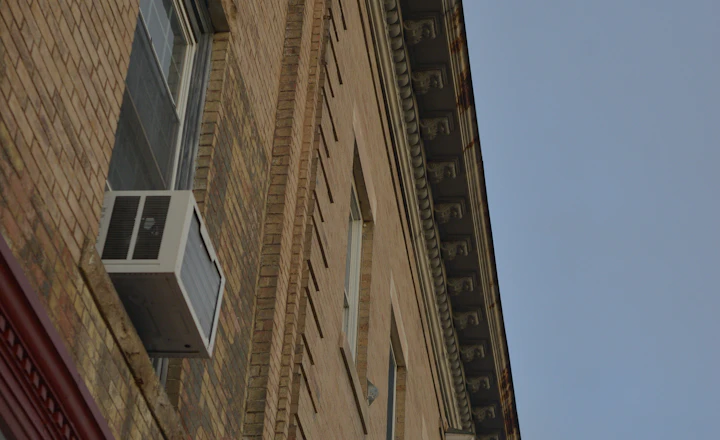
Open joints between units are one of the main ways water reaches the anchors.

Terra cotta copings and balustrades sit on top of parapets that take the worst weather.
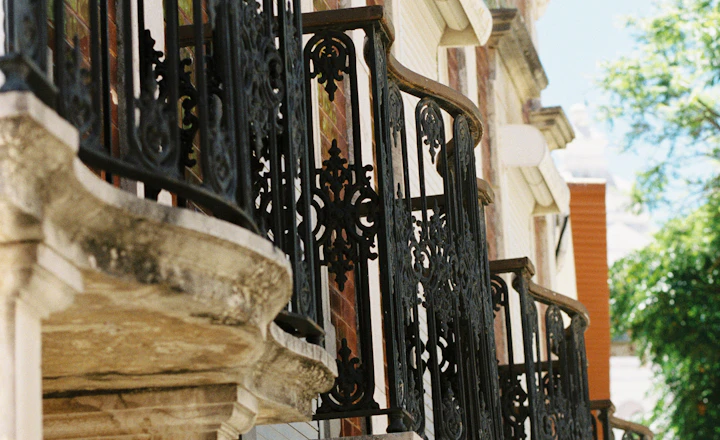
Older balconies often rest on terra cotta brackets with the same hidden anchors.
Send Us Your Terra Cotta Photos for a Free Assessment
Share your FISP report or close-up photos of the cracked or stained units for a free terra cotta repair review. We’ll tell you the same day which can be patched or pinned and which will need new units.