Bulging Brick and Wall Tie Repair in NYC
When brick bows out of a facade, the ties that hold it to the building have usually rusted, broken, or were never installed in the first place. We find out which, then stabilize the wall with stainless steel retrofit ties or take down and rebuild the bulged masonry, so your inspector can clear the condition from your Local Law 11 report.
Licensed and insured24/7 emergency responseFree report review

Signs of Bulging Brick and Failed Wall Ties
These are the five things owners and inspectors notice first when face brick starts to separate from the building.
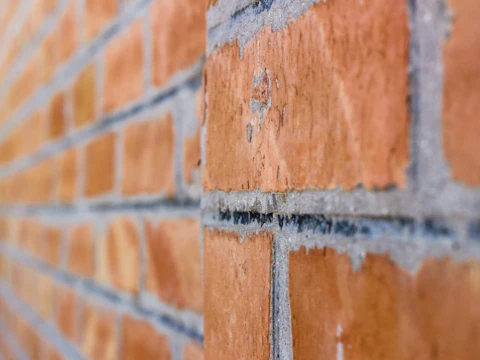
Bowed wall sections
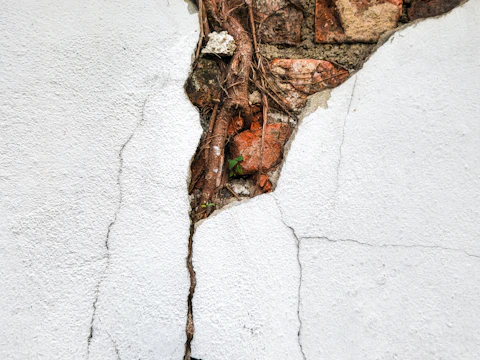
Long horizontal cracks
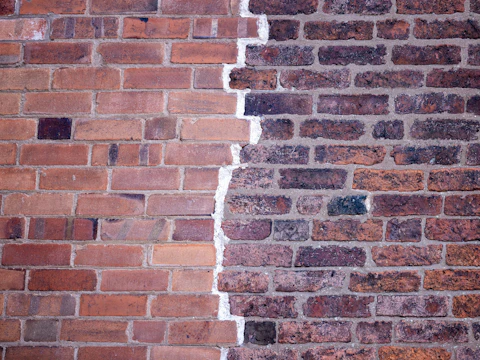
Stepped mortar cracks
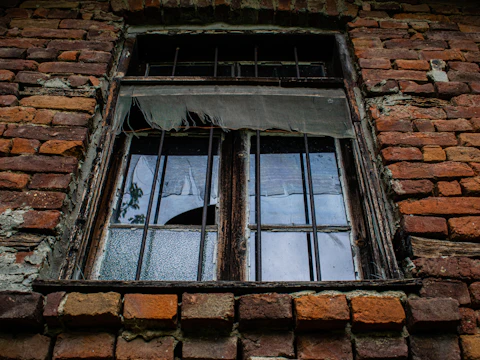
Gaps around window frames

Loose or shifting brick
Quick check: sight along the wall from a corner. If the brick line curves out between floors instead of running straight, call us before the next freeze.
What Causes Bulging Brick on an NYC Facade?
Bulging brick means the outer layer of brick has started to separate from the wall behind it. In older solid masonry buildings, the brick layers are locked together by header bricks laid crosswise every few courses. In newer cavity wall and veneer buildings, metal wall ties do that job. When those headers crack or the ties rust through, loosen, or turn out to be missing, the face brick has nothing holding it back and slowly bows outward.
A bulge doesn’t fix itself, and it rarely stays the same size. Water and freeze-thaw cycles keep pushing it further, until the brick is loose enough to fall. The repair is to anchor the face brick back to a sound structure, either with stainless steel retrofit wall ties set into the existing wall or by taking the bulged area down and rebuilding it with new ties. Which one fits depends on how far the wall has moved and what the probes show behind it.
| What it is | Face brick separating from the wall behind it |
|---|---|
| Common causes | Rusted, broken, or missing wall ties, or cracked header bricks |
| Repair options | Stainless steel helical retrofit ties, or take down and rebuild with new ties |
| Typical rating | Unsafe when brick is loose; SWARMP when the bulge is stable |
| Unsafe deadline | Public protection right away and repairs within 90 days of filing |
| Permits | DOB work permit, plus Landmarks approval for landmarked buildings |
Why Brick Facades Bulge: How Wall Ties Fail
Bulging brick follows the same four-step chain on most older NYC masonry buildings, and each step makes the next one worse.
Water gets behind the brick
Open mortar joints, failed caulk, and blocked weeps let water sit inside the wall.
Ties and headers weaken
Steel wall ties corrode and lose their grip, and header bricks crack as the wall moves with the seasons.
The face brick lets go
With fewer working connections, the outer layer carries its own weight and starts to separate.
The wall bows out
The brick pushes outward between floors, and every winter opens the gap a little wider.
Some bulges start as construction defects. DOB’s own review of high-rise facade failures found ties that were never installed, spaced too far apart, or made of plain steel instead of corrosion-resistant steel. Probes are the only way to know which problem your wall has.
How Serious Is a Bulging Brick Wall?
Use these three levels to decide how fast to act on a bulge you can see from the street or a setback.
Watch it
What you see
A slight, even curve with no cracks and no loose brick
What to do
Ask your inspector to note and measure it, and recheck it each year
Repair soon
What you see
A visible bow with horizontal or stepped cracks, or mortar falling out of the joints
What to do
Plan retrofit ties or a rebuild before your SWARMP completion date
Act now
What you see
Brick that moves when touched, pieces on the sidewalk or setbacks, or a wall pulling away from windows
What to do
Keep people clear, put up public protection, and call us the same day
Note: Only your QEWI can officially rate a condition Safe, SWARMP, or Unsafe in your facade report. This guide helps you decide how fast to call.
How We Repair Bulging Brick and Failed Wall Ties in NYC, Step by Step
Every job follows the same five steps, from the first look at your report to the photos your inspector needs for the amended filing.

Review the report and map the bulge
We read your FISP report and probe findings, then mark the bulged area on each elevation, floor by floor, so the scope matches what your inspector found.
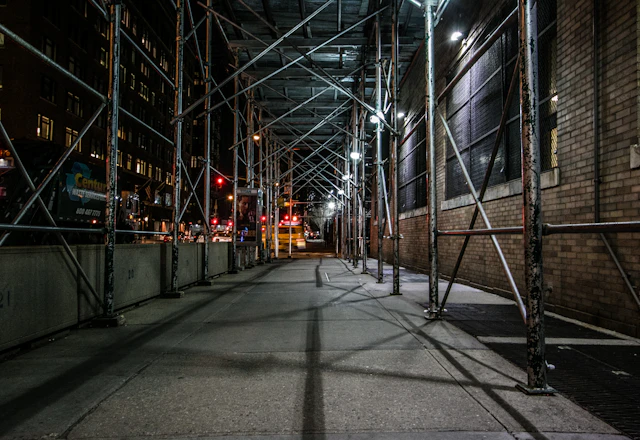
Set up protection and access
We pull the DOB work permit and install the sidewalk shed, scaffold, or rig, using our own equipment or rentals.
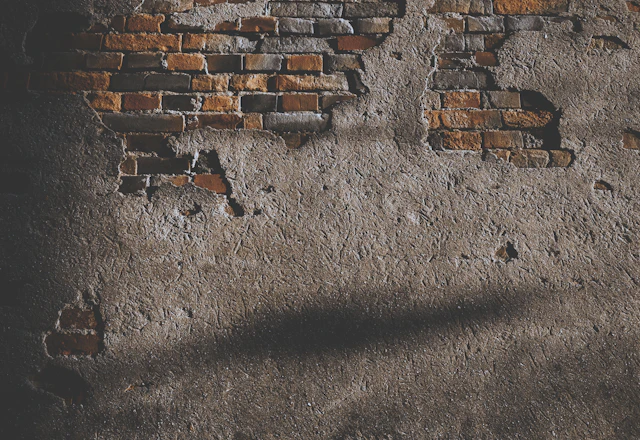
Open the wall and check the ties
We use a tie locator and small inspection openings to see whether ties are rusted, broken, missing, or spaced too far apart, and how far the brick has moved.
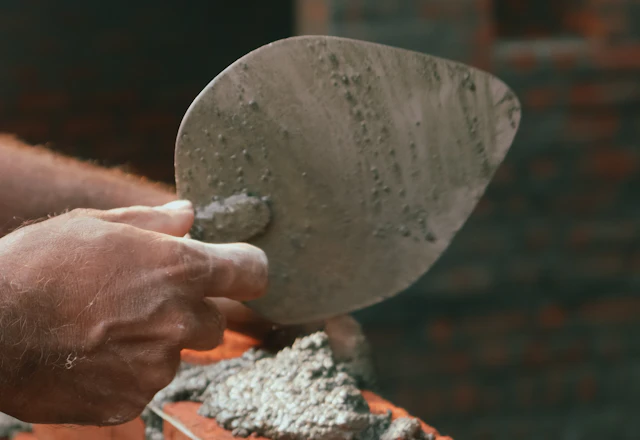
Retrofit or rebuild
Where the brick is sound, we drill and set stainless steel helical ties into the backup wall on the engineer’s pattern. Where it has moved too far or is cracked, we take it down, repair the backup, and rebuild with new ties and flashing.
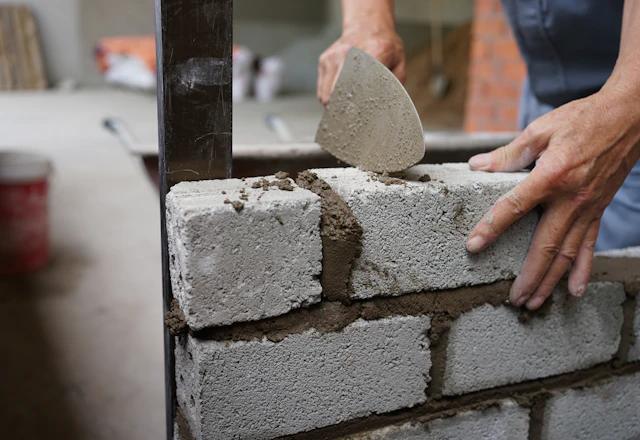
Repoint, test, and document
We repoint the work area with matching mortar, pull-test sample ties where specified, and send photos and notes to your QEWI for the amended report.
Wall Tie Retrofit or Masonry Rebuild: Which Does Your Wall Need?
Most bulging brick is fixed one of two ways. Your engineer makes the final call, but this is how the choice usually breaks down.
| Retrofit wall ties | Take down and rebuild | |
|---|---|---|
| When it fits | The bulge is small, the brick is sound, and the backup wall can hold an anchor | The brick has moved too far, is cracked or loose, or the backup behind it has failed |
| What we do | Drill small holes through the mortar joints and set stainless steel helical ties into the backup on a set grid | Remove the bulged brick, repair the backup, add new stainless ties and flashing, then relay the brick |
| What you see after | Small patched dots in the joints, close to invisible once repointed | New brickwork in the rebuilt area, matched to the existing brick and mortar |
| Disruption | Faster, less noise and dust, fewer days on the scaffold | Longer, with more masonry removal and a larger work zone |
Retrofit ties hold a bulge where it is. They don’t pull a badly displaced wall back into line, which is why larger bulges are rebuilt.
Cross-section of a bulging brick wall
A cross-section of the wall, showing why the face brick moves and where a new tie goes.
- 1Backup wallInner masonry or block
- 2Face brickBowed out between floors
- 3Rusted original tieBroken, no longer holding
- 4GapBrick pulled away
- 5New helical tieStainless, set into backup
How Bulging Brick Shows Up in Your Local Law 11 (FISP) Report
Terms to look for in the report:
Bulging masonryDisplaced brickOuter wythe separationDeteriorated or missing wall ties
Look for words like “bulging masonry,” “displaced brick,” “outer wythe separation,” or “deteriorated or missing wall ties.” Each condition is listed with its location on the building, color photos, and a rating. On cavity wall buildings, your QEWI also opens probes to check the presence, condition, and spacing of the ties, so the report may include probe photos too. A bulge with loose brick is usually rated Unsafe, which means public protection right away and repairs within 90 days. A stable bulge may be rated SWARMP with a completion date. Once we finish, DOB requires the work permit to be signed off before your inspector files the amended report, and we handle that sign-off with you.
Next steps by rating: Unsafe facade repair · SWARMP repair · find your Local Law 11 filing window
Questions to Ask a Bulging Brick Repair Contractor NYC
- Will you open the wall to check the ties before quoting, or are you pricing from photos alone?
- What tie material and spacing will you use, and who specified them?
- How will you decide between retrofit ties and a rebuild, and what happens if you find more damage once the wall is open?
- Will you pull-test the new ties and give my inspector photos of the work?
- Who pulls the DOB permit, and do you supply the scaffold or sidewalk shed yourselves?
What Affects the Cost of Bulging Brick Repair in NYC?
We price each job against your report, so there’s no flat rate. These five things move the number most:
- Size of the bulged area. How many square feet, on how many elevations and floors.
- Retrofit or rebuild. Rebuilding takes more labor, materials, and scaffold time than retrofit ties.
- Height and access. Scaffold, rigging, or a sidewalk shed, and how long it has to stay up.
- Matching brick. Salvaged or custom-matched brick for older or landmarked facades.
- Hidden damage. Corroded steel or a failed backup wall found once the brick is opened.
Bulging Brick and Wall Tie Repair NYC FAQs
It can be. A slight, stable bow may only need monitoring, but a bulge with cracks or loose brick can drop masonry onto the sidewalk. If you see pieces falling or brick that moves when touched, keep people clear and call the same day.
Not safely in most cases. Retrofit ties lock a bulge where it is so it can't move further. When the brick has moved too far to anchor, the right repair is to take it down and rebuild it with new ties.
They're stainless steel ties with a spiral profile, set through the face brick into the backup wall. The spiral grips the masonry as it goes in, so they can anchor loose brick without removing it. The engineer sets their spacing for your wall.
Bowing brick, long horizontal cracks at regular heights, and brick that sounds hollow when tapped are common signs. The only way to confirm it is to open the wall, which is why inspectors use probes and tie locators.
Yes. Facade repairs on Local Law 11 buildings need a DOB work permit, and many also need a sidewalk shed or scaffold permit. Landmarked buildings need Landmarks Preservation Commission approval too. We handle these filings.
Retrofit ties leave only small patched spots in the mortar joints. Rebuilt areas use brick and mortar matched to the existing facade, so the repair blends in from the street.
It depends on the size of the bulge, the repair method, and the access needed. Retrofit ties on a small area can take days, while a multi-floor rebuild can take weeks. We give you a schedule with the proposal so you can plan around your report deadline.
Related Facade Repairs Often Found With Bulging Brick
Bulges rarely show up alone. These conditions share the same causes and often sit on the same wall.
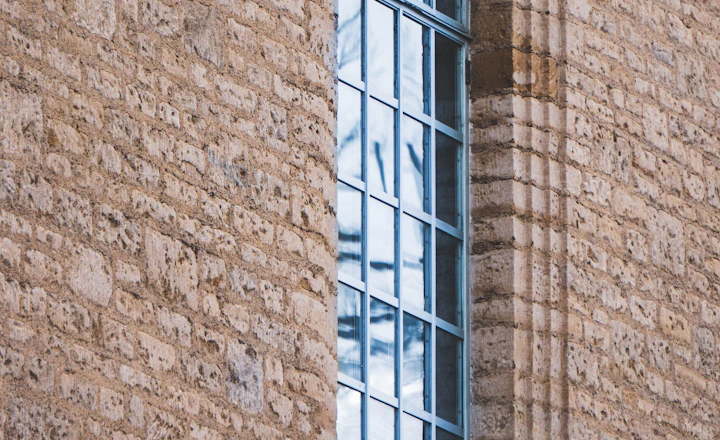
Rusting lintels crack and push the brick above windows, often right next to a bulge.
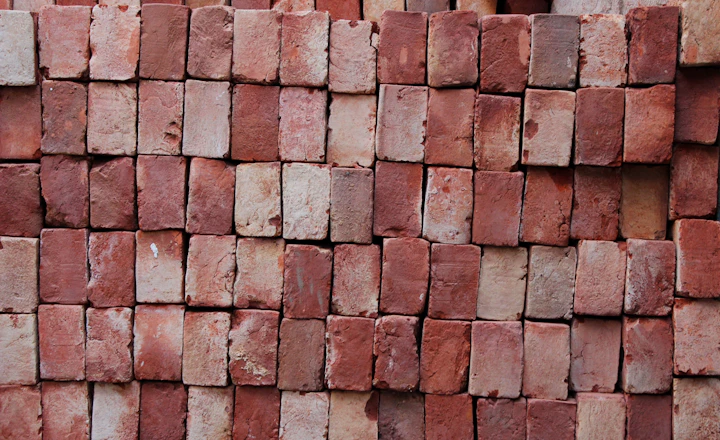
Open mortar joints are how water reaches the ties in the first place.
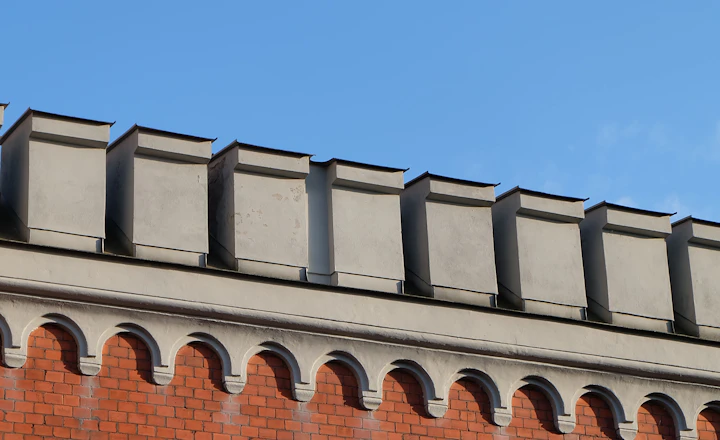
Parapets have the same tie and header problems, but sit right above the sidewalk.
Get a Free Bulging Brick Repair NYC Estimate
Send us your FISP report or a few photos of the bulge. We’ll review them free and tell you the same day whether the wall needs retrofit ties or a rebuild.